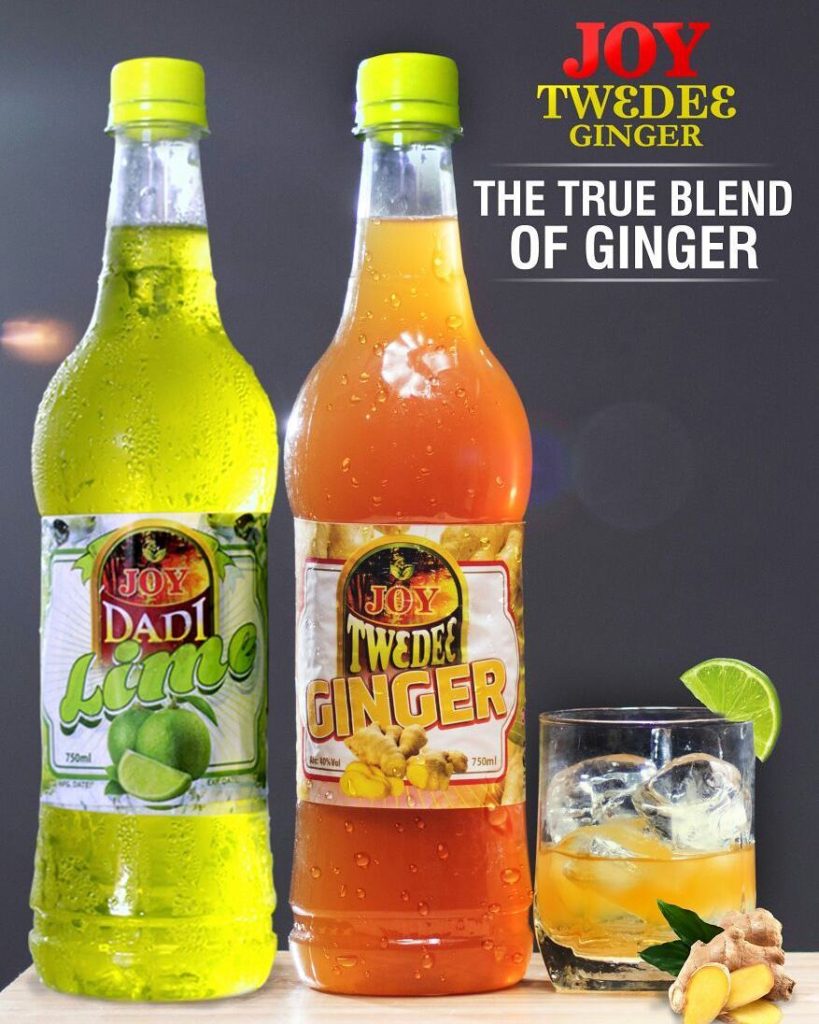



A sweeping crackdown by the Food and Drugs Authority (FDA) in Ghana’s Eastern Region has plunged local producers of beloved traditional beverages like Sobolo, Asana, and Lamugin into “chaos,”
The FDA is demanding an immediate halt to production for weddings, funerals and events until their products secure official approval.
The FDA is demanding GHS 10,000 administrative charges from each of the local beverage producers as part of the authorization processes, sending shockwaves through an industry that provides vital income for countless young people.
The directives, signed by Eastern Regional FDA Director Anita Owusu-Kuffour, are being issued to producers, many of whom rely on these drinks for weddings, funerals, and other events for livelihood.
The local beverage sector is a significant employer for young people in the region, operating as both full-time businesses and crucial part-time ventures.
The FDA’s enforcement is rooted in Section 97 (1) of the Public Health Act 2012, Act 851, which mandates that all food products must be registered before being manufactured, distributed, or sold.
The Authority warns that unregistered production “amounts to exposing the health and safety of the public to unwarranted risks.”
One producer in Koforidua received a stern warning letter dated November 17, after their products were identified at a funeral. The company was cited for “manufacturing products without authorization” and ordered to:
Immediately suspend all production activities. Pay a GHS 10,000 administrative charge to the FDA by November 24, 2025.
The letter threatened further regulatory action for non-compliance.
In response, Yaw Frimpong, a local beverage producer and chef, revealed efforts to unite the industry. “We are trying to come together as an association to convene a meeting with the Regional Director of FDA to relax the suspension directives,” Frimpong stated. He hopes for a more constructive dialogue, aiming for guidance on documentation and authorization rather than outright suspension.
Frimpong underscored the severe economic implications, warning that “the traditional beverage production industry employs a huge number of youth, hence disruption in the industry could affect the livelihoods of thousands of young people.”
Source:Mybrytfmonline.com/Obed Ansah