

The Eastern Region has recorded Ghana’s lowest prevalence of child marriage, with a rate of 1.6 per cent in 2021 Population and Housing Census , according to the Eastern Regional Statistician, Bright Worlanyo Neku.
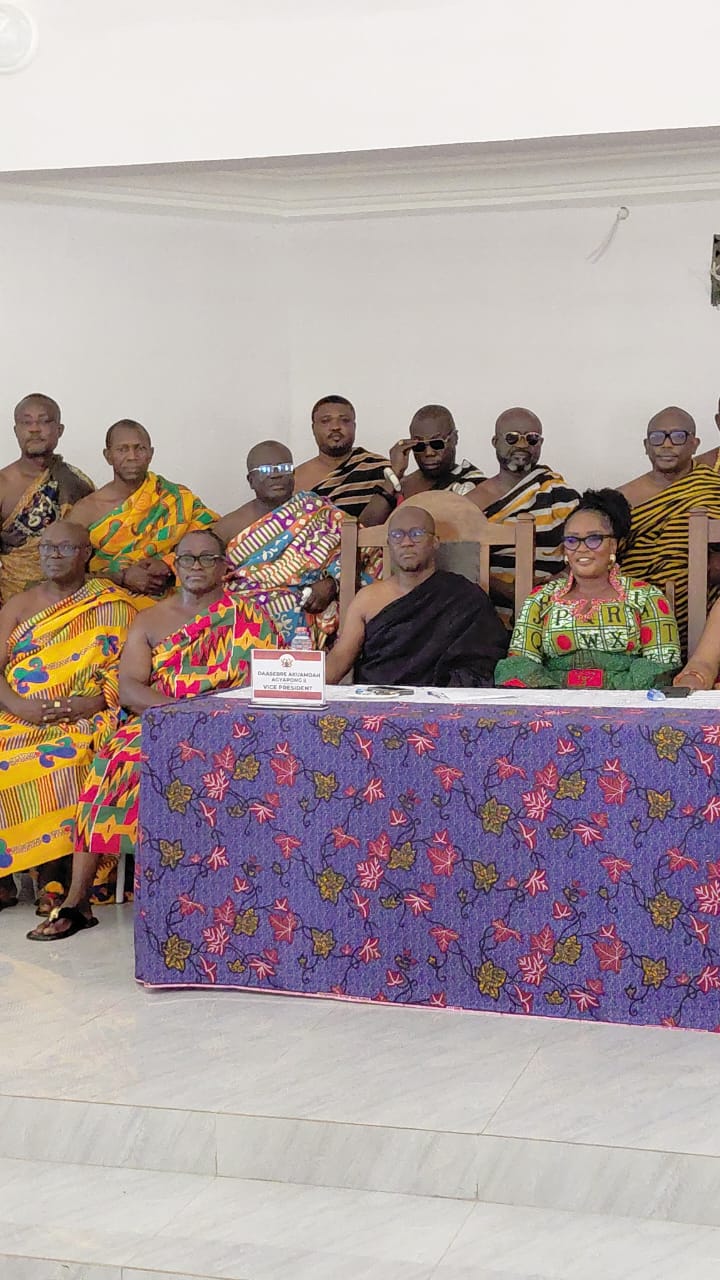
The figure, which is below the national prevalence of 3.3 percent, was disclosed during an engagement with the Eastern Regional House of Chiefs on gender-based violence, with particular focus on child marriage and teenage pregnancy.
Presenting the statistics, Mr. Neku revealed that a total of 6,600 children in the Eastern Region had ever been in a marital union, comprising 4,520 girls and 2,080 boys.
He explained that girls accounted for 68.5 per cent of children who had ever been in a marital union in the region, underscoring the disproportionate impact of the practice on girls.
At the national level, girls recorded a child marriage prevalence of 2.2 per cent, compared with 1.0 per cent among boys.
Mr. Neku further disclosed that 28.8 per cent of girls in marital unions in the Eastern Region had given birth at least once, while 1.9 per cent had given birth to two or more children.
He expressed concern about the educational consequences of child marriage, noting that a significant proportion of children aged between 12 and 17 who had entered marital unions were either no longer attending school or had previously dropped out.
He also identified Kwahu Afram Plains North, Kwahu Afram Plains South and Kwahu West ,Akyemansa and Kwaebibirim among the districts with the highest reported child marriage figures
Despite the region’s relatively low prevalence, he called for sustained interventions to protect children, particularly girls, from early marriage and its associated consequences.
Deputy Minister Calls on Eight Paramountcies to Declare Commitment
Meanwhile, the Deputy Minister for Local Government, Chieftaincy and Religious Affairs, Hon. Rita Naa Odoley Sowah, has called on the remaining eight paramountcies in the Eastern Region to publicly declare their commitment to ending child marriage and teenage pregnancy.
She commended the Anum, Akwamu and New Juaben Traditional Councils for taking the lead by making formal declarations against the practices.
She disclosed that the three declarations had increased the number of traditional areas across the country that had made similar commitments to eleven.
“These declarations are not merely ceremonial pronouncements but powerful statements of intent and responsibility. They send a clear message that protecting children is a shared responsibility and a priority for traditional leadership,” she stated.
Hon. Sowah described child marriage as a major obstacle to the education, health, development and empowerment of young girls, warning that the practice deprives them of opportunities to achieve their full potential.
She emphasised that legislation alone would not be sufficient to eliminate child marriage, stressing the need for collective action from traditional authorities, religious leaders, parents and communities.
“Laws alone cannot eliminate child marriage. Sustainable change occurs when cultural institutions, traditional authorities, religious leaders, parents and young people collectively reject harmful practices and champion the rights and wellbeing of children,” she stressed.
The Deputy Minister urged the remaining eight paramountcies to begin consultations and community mobilisation towards making formal declarations against child marriage in their respective traditional areas.
She also assured the chiefs of government’s commitment to supporting traditional authorities through collaboration, advocacy, community education and enforcement of existing laws.
Regional Minister Calls for Stronger Collaboration
The Eastern Regional Minister, Hon. Rita Akosua Adjei Awatey, also called for stronger collaboration between traditional authorities and development partners to address sexual and gender-based violence, teenage pregnancy and child marriage.
She acknowledged the longstanding partnership between the Regional Coordinating Council and the United Nations Population Fund (UNFPA), noting that the collaboration had supported initiatives aimed at promoting gender equality and protecting girls.
According to her, traditional leaders wield significant influence within their communities and must use their positions to challenge harmful social practices and protect vulnerable persons.
“As custodians of our land and traditions, Nananom have a unique influence to help change harmful social norms and protect our vulnerable members of society,” she said.
The Regional Minister expressed optimism that the engagement would translate into concrete commitments and practical interventions to address child marriage and gender-based violence across the region.
The meeting brought together traditional rulers, queen mothers, government officials and development partners to strengthen collective efforts towards protecting children and ending child marriage in the Eastern Region.
Source:Mybrytfmonline.com