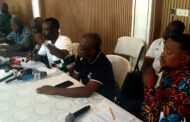


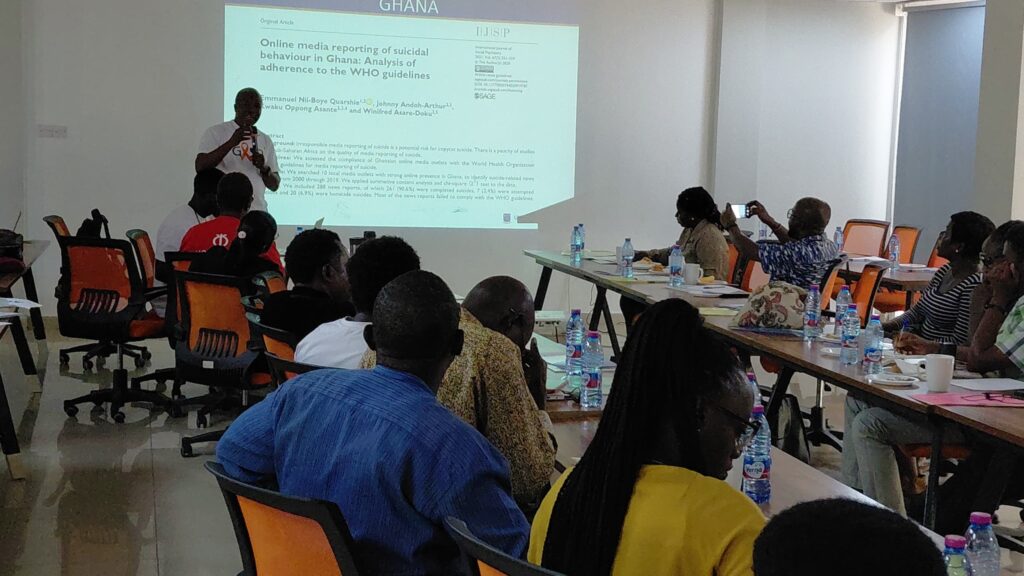
The Association for Suicide Prevention Ghana (GASP) has organized a one-day capacity-building workshop to equip media practitioners with the knowledge and skills required to report responsibly on suicide and suicide prevention in Ghana.
The workshop, held in the Greater Accra Region, brought together journalists from the Eastern, Volta, Central and Greater Accra regions for an intensive knowledge-sharing session focused on suicide prevention, ethical journalism, and mental health advocacy.
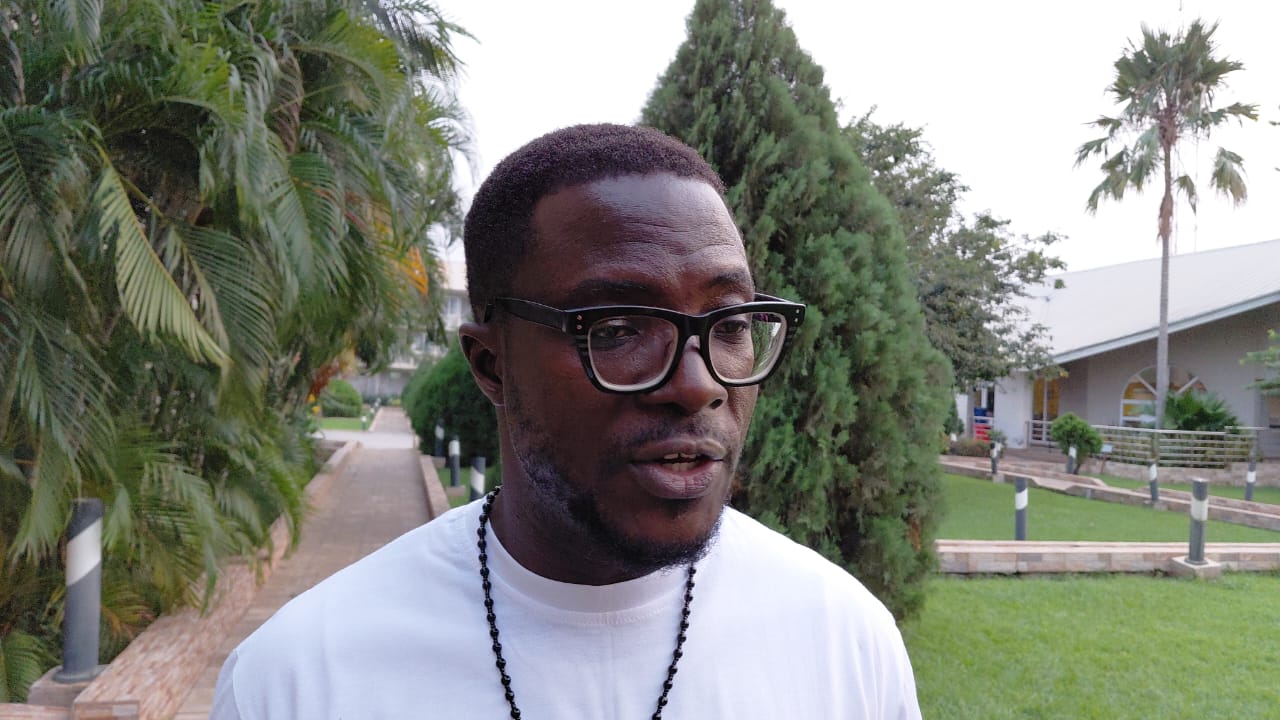
The President of the Association for Suicide Prevention Ghana (GASP), Dr. Emmanuel Nii-Boye Quarshie, a Senior Lecturer in Psychology at the University of Ghana, has called on Ghanaians to pay closer and more empathetic attention to the emotional well-being of their friends, family members, classmates, and loved ones as a key step toward preventing suicide in the country.
Speaking after the workshop, Dr. Quarshie stressed that suicide prevention is a collective responsibility and urged the public to stop judging individuals who may be struggling. According to him, listening attentively and offering support can provide relief to people experiencing suicidal thoughts.
Dr. Quarshie also commended Parliament for repealing Ghana’s anti-suicide law, describing the move as a significant step toward reducing stigma and encouraging individuals to seek help without fear of criminalization.
Highlighting the need for evidence-based interventions, he noted that Ghana currently lacks reliable and comprehensive data on suicide. “We need to begin systematic data collection and proper structuring. Without accurate data, it is difficult to design effective interventions and tackle stigma,” he said.
He further called on traditional authorities and religious institutions to take the lead in the fight against suicide and stigmatization within their communities.
Dr. Quarshie also appealed to the government to strengthen efforts to combat suicide in Ghana by supporting GASP’s research initiatives and data collection activities, stressing that sustained institutional backing is critical to addressing the challenge nationwide.
Participants were taken through critical issues surrounding suicide, including common risk factors, early warning signs, and effective prevention strategies. Resource persons also highlighted the influential role the media plays in shaping public attitudes, reducing stigma, and encouraging help-seeking behavior among vulnerable individuals.
Emphasis was placed on responsible reporting practices, with facilitators cautioning journalists against sensationalism, graphic descriptions, and the use of language that could stigmatize victims or contribute to copycat incidents. Journalists were thoroughly educated on the dos and don’ts of reporting suicide-related cases in their respective regions, including the need to use appropriate terminology, avoid speculation, and include helpful information such as crisis support contacts in their reports.
The training further encouraged media practitioners to frame suicide-related stories in a manner that promotes hope, recovery, and public awareness, rather than fear or blame. Participants described the workshop as timely and impactful, noting that it would significantly improve ethical and responsible reporting on mental health issues.
GASP noted that the workshop forms part of its broader commitment to collaborating with the media to promote suicide prevention, reduce stigma, and support national mental health advocacy initiatives.
Established on 30 March 2017 and officially launched on 13 October 2022, GASP is the leading non-governmental, non-religious, non-political, non-ethnic and non-tribal body coordinating suicide prevention efforts in Ghana. The association brings together individuals, groups and organizations committed to addressing suicide and suicidal behavior in the country.
GASP provides a multidisciplinary and multisectoral platform for academicians and researchers, mental health professionals, crisis workers, media professionals, pastoral care volunteers, mental health advocates, and suicide survivors within Ghana and the wider sub-Saharan African context to share knowledge and strategies for suicide prevention.
In addition, GASP offers research-informed mental health advocacy, training programs, and free self-harm and suicide crisis support services to various identifiable groups across Ghana, regardless of ethnic, religious, or political affiliation.
Source:Mybrytfmonline.com/Nhyiraba Solomon Nartey/ Akosua Asabea Kropa