

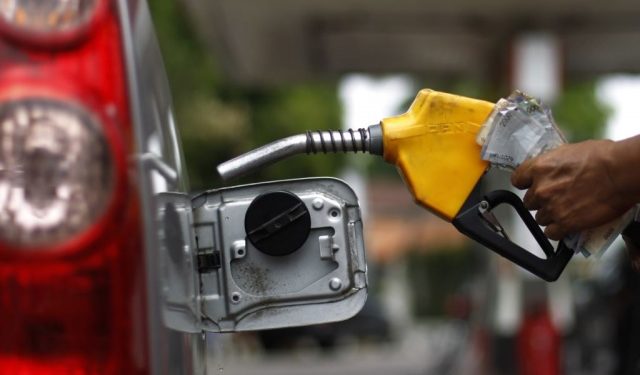
Two of Ghana’s most influential transport and energy stakeholders — the Chamber of Petroleum Consumers (COPEC) and the Ghana Private Road Transport Union (GPRTU) — are turning up the pressure on the government to clarify the details surrounding the controversial GH¢1 fuel levy, set to be implemented on July 16.
The groups are demanding not only clear timelines for the levy’s rollout and duration but also transparency on how the generated revenue will be utilized. Both COPEC and GPRTU are cautioning the government against allowing the temporary measure to become a permanent financial burden on Ghanaians.
GPRTU Shifts Position, But With Conditions
Initially opposed to the levy, the GPRTU says it has reconsidered its stance following discussions with key industry stakeholders. However, the union is adamant that the levy must have a clear expiration date.
“We are not against it anymore, but we cannot support an indefinite charge,” said Abass Imoro, the GPRTU’s Industrial Relations Officer, in an interview with Citi Business. He further warned that without clear boundaries, continued price hikes could force transport operators to increase fares — a move that would hit commuters hardest.
Fuel Price Volatility Adds to the Uncertainty
The first pricing window in July brought mixed signals to the market: diesel prices inched upward, while petrol dipped slightly. With this volatility in play, COPEC is urging caution and clear communication from authorities.
Dr. Riverson Oppong, CEO of COPEC, emphasized that it’s still too early to determine the levy’s impact on prices. “We cannot predict how this will affect fuel costs yet, especially given the current global and local market conditions,” he said.
The Bottom Line
As the countdown to July 16 begins, public concern is mounting. Both COPEC and GPRTU are calling for assurance that the levy won’t become another indefinite tax and are demanding full transparency on how every cedi will be spent.
Until these concerns are addressed, the GH¢1 fuel levy remains a flashpoint in Ghana’s economic policy debate — with transport fares and fuel prices hanging in the balance.
Source:Mybrytfmonline.com/Gumedzo Isaac Acheampong