

On Bryt FM’s Adekyee Mu Nsem morning show with Kwamina Sam Baney, the Eastern Regional Communications Director of the Ghana Water Company, Mr. Kwajo Daase, expressed concern over the rising cost of water treatment in the country.
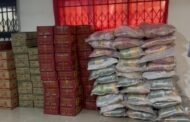
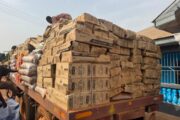
Mr. Daase revealed that in previous years, the company needed only 10 bags of alum — a key chemical used in treating water — to purify raw water for consumption. Today, however, the same process requires about 40 bags, representing a fivefold increase.
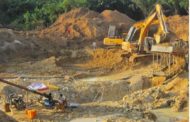
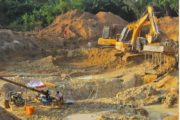
According to him, this drastic rise in chemical usage reflects the worsening state of Ghana’s water bodies, largely caused by pollution from galamsey (illegal mining) and other destructive human activities.
He further explained that the situation has significantly increased the company’s cost of production. “At first, using 10 bags of alum was enough to produce clean drinking water. But now, unless we use 40 bags, we cannot achieve the same results. The increase is alarming,” he said.
Mr. Daase stressed that Ghana Water Company imports the chemicals used for water treatment, making the business highly sensitive to fluctuations in the exchange rate between the cedi and the dollar. “If the cedi is weak, the cost of chemicals goes up, and this worsens our financial losses,” he noted.
He cautioned that without a review of water tariffs to reflect the rising cost of production, the company might struggle to continue providing safe water. “Chemicals alone account for about 50 percent of our expenditure. If tariffs are not adjusted, we may soon face a situation where we cannot buy the chemicals needed to treat water,” he warned.
Mr. Daase also appealed to citizens to take the issue of water pollution seriously. He emphasized that polluted water sources do not only affect the Ghana Water Company but also threaten the future of schools, hospitals, industries, and households that depend on clean water.
“When we talk about galamsey and human activities destroying water bodies, some people think we are just making noise. But this is about our lives and our future. If water treatment becomes impossible, everyone will suffer,” he said.
Source:Mybrytfmonline.com/Amuzu Priscilla