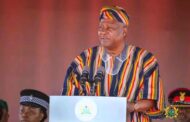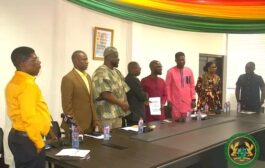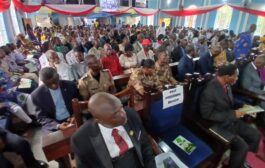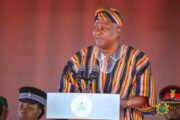


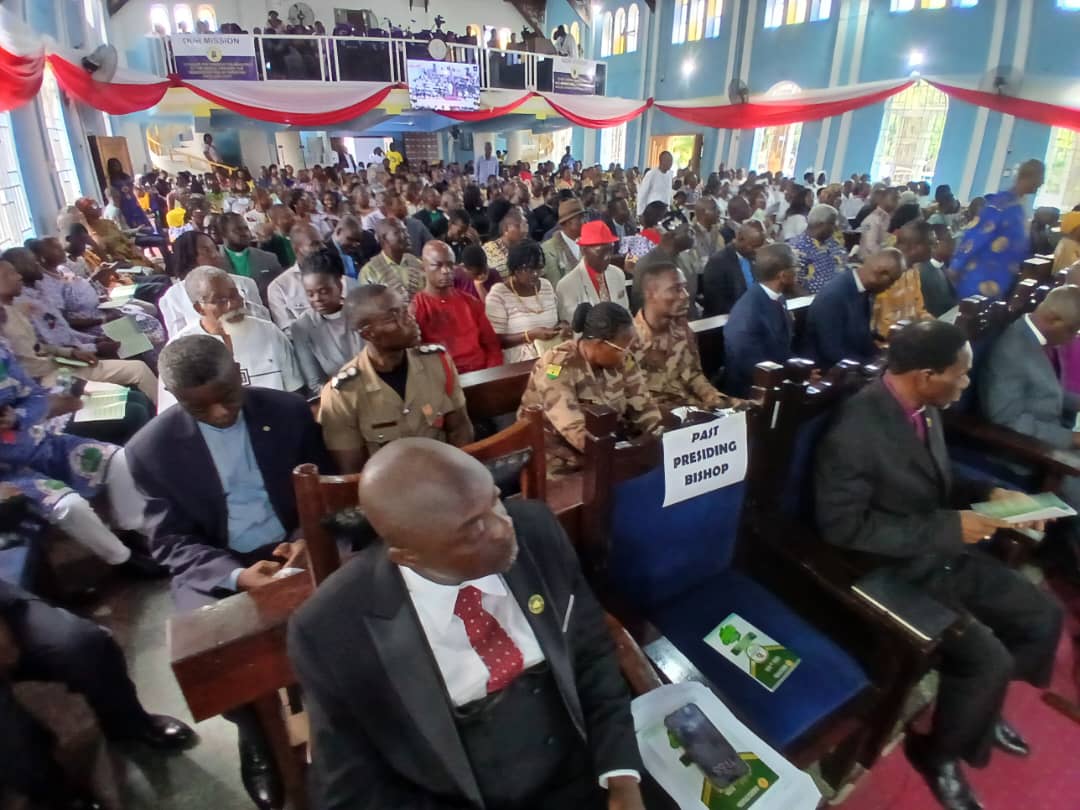
The Presiding Bishop of the Methodist Church Ghana, J. Kwabena Asamoah-Gyadu, has expressed deep concern over the persistent menace of illegal mining, popularly known as galamsey, and its devastating impact on the country’s environment and natural resources.
Speaking on the theme “Ghana’s Galamsey Menace: Causes and Effects – The Dilemma of Economic Versus Social Survival for Stakeholders,” the respected theologian questioned why illegal mining activities continue despite political promises to end the practice.
According to him, President John Dramani Mahama had assured Ghanaians during his campaign that he would use three weeks to bring galamsey activities under control. However, he noted that illegal mining remains widespread across many parts of the country.
“The destruction of our water bodies, forests, and farmlands is alarming,” the Presiding Bishop said. “If urgent and decisive measures are not taken to address the situation, future generations will suffer the consequences of the environmental damage we are witnessing today.”
He emphasized that protecting the country’s natural resources is a moral responsibility for both leaders and citizens, adding that sustainable development cannot be achieved if illegal mining continues unchecked.
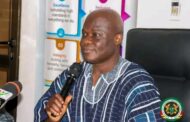
Also speaking on the issue was renowned investigative journalist Erastus Asare Donkor of Multimedia Group Limited, who described the galamsey crisis as not only an environmental challenge but also a matter of national morality and governance.
According to him, the issue raises serious questions about leadership, stewardship of national resources, and the future of the country. He explained that illegal mining activities have severely polluted Ghana’s major water bodies.
Mr. Donkor revealed that Ghana entered 2024 with heavily polluted rivers and streams, with turbidity levels far exceeding the World Health Organization standard of 5 NTU for safe drinking water.
He cited data from the Ghana Water Company Limited, noting that at the company’s treatment plant at Aboaboase, turbidity levels reportedly exceeded 14,000 NTU in 2024, an indication of the severe pollution caused by illegal mining.
Furthermore, he said the Water Resources Commission reported that more than 60 percent of Ghana’s water bodies have been polluted as a result of galamsey activities.
Mr. Donkor also indicated that illegal mining has spread rapidly into several communities across the country. Areas such as Wassa Japa, Dadeaso, and Konongo in the Asante Akyem Central District are among towns where illegal mining operations have intensified.
He explained that the situation has worsened with mining activities now taking place in residential areas, inside communities, and directly in water bodies. In some instances, miners reportedly use machines such as the “Changfaing” to mine within river channels, causing severe destruction to rivers and streams.
“These practices have led to the redirection of river channels and the destruction of vital water sources,” he said, warning that if urgent action is not taken, Ghana could face a severe environmental and water crisis in the near future.
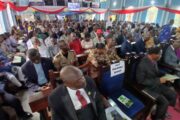
Stakeholders at the event therefore called for stronger enforcement of mining regulations, increased public awareness, and decisive leadership to curb the galamsey menace before the damage becomes irreversible.
Source:Mybryfmonline.com/Amuzu Priscilla