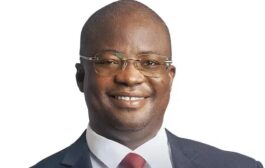



The Medical Superintendents Group from across Ghana have convened for a critical conference on rising tide of Non-Communicable Diseases (NCDs) .
The annual conference underway in Kwahu, under the theme “Leading the Fight Against NCDs: The Role of Medical Superintendent in Integrated Care,” brings together over 100 key stakeholders, including the Minister of Health, the Director-General of the Ghana Health Service, and representative of World Health Organization.
In his opening address, the Outgoing President of the Medical Superintendents’ Group, Dr. Kamarudeen Korku Hussein, issued a passionate call to action. “Do we need any data to tell us that NCDs are on the rise? No,” he stated, noting that every family or community has been affected.
He drew a direct line between environmental degradation and public health, warning, “By the time the full-blown effect of Galamsey arrives home, we will surely have a tsunami of NCDs to grapple with.”
Dr. Hussein emphasized that the conference is intended to spotlight the escalating burden of diseases like cancer and to define a strategic role for hospital leaders in delivering integrated care.
The agenda features scientific presentations and workshops on NCD prevention and early detection.
The conference also shed light on the immense pressures faced by medical superintendents, who are held accountable for care standards despite working with limited resources.
“The medical superintendent is the first to be asked to step aside if anything goes wrong in the hospital,” Dr. Hussein noted, adding that regulatory bodies are “obviously aware of the deficiencies in the system.” He revealed, for the second year running, that essential equipment for cardiac interventions during emergencies is often unavailable in district facilities.
Emphasizing the need for robust leadership, the Director-General of the Ghana Health Service, Prof. Samuel Kaba Akoriyea, charged the medical superintendents to enforce discipline and ensure effective leadership in their institutions.
NHIS in “Acute Crisis” as Minister Alleges Blackmail
The conference is being held against the backdrop of a major crisis with the National Health Insurance Scheme (NHIS) information system failure.
A sustained collapse of its national digitized platform has forced hospitals to revert to the defunct ‘Cash and Carry’ system, denying life-saving care to thousands of cardholders.
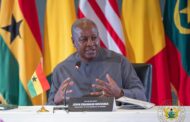
Addressing the gathering, the Minister of Health, Kwabena Mintah Akandoh, made explosive allegations, claiming the crisis was a result of deliberate blackmail by a contractor.
“Serious financial infractions have been uncovered with the award of the LIMS system,” the Minister stated. He explained that a $100 million contract awarded in 2019 had seen about $70 million paid, with only 450 of the planned 950 facilities connected.
“The contract was such that as you build, as you go along, it is a property of the state. It is not proper for an individual to host the patient’s data in this country,” Minister Akandoh insisted. “So somebody must switch it off and on to blackmail so that it will be seen that the minister is not doing well. But I will insist on it.”
The Minister of Health, Kwabena Mintah Akandoh,also hinted that government will soon privatize the procurement ,management and maintenance of hospital equipment across the country as part of efforts to improve efficiency and sustainability in the health sector.
The Minister explained that the new model will allow private entities with direct links to equipment manufacturers to supply, maintain, and manage medical devices for health facilities, while government health professionals operate them.
“We know standard equipment for each regional hospital and we know standard equipment for each Teaching hospital. And therefore, we’ll float it.So people who are interested and they have direct relationships with manufacturers of equipment, would then bid to go through the processes. We dedicate, let’s say, Juaboso District Hospital for you. You put all the equipments there”. He said.
The conference will continue with technical and Roundtable discussions sessions, including a much-anticipated presentation on Ghana’s emergency preparedness for chronic conditions.
Source:Mybrytfmonline.com/Obed Ansah