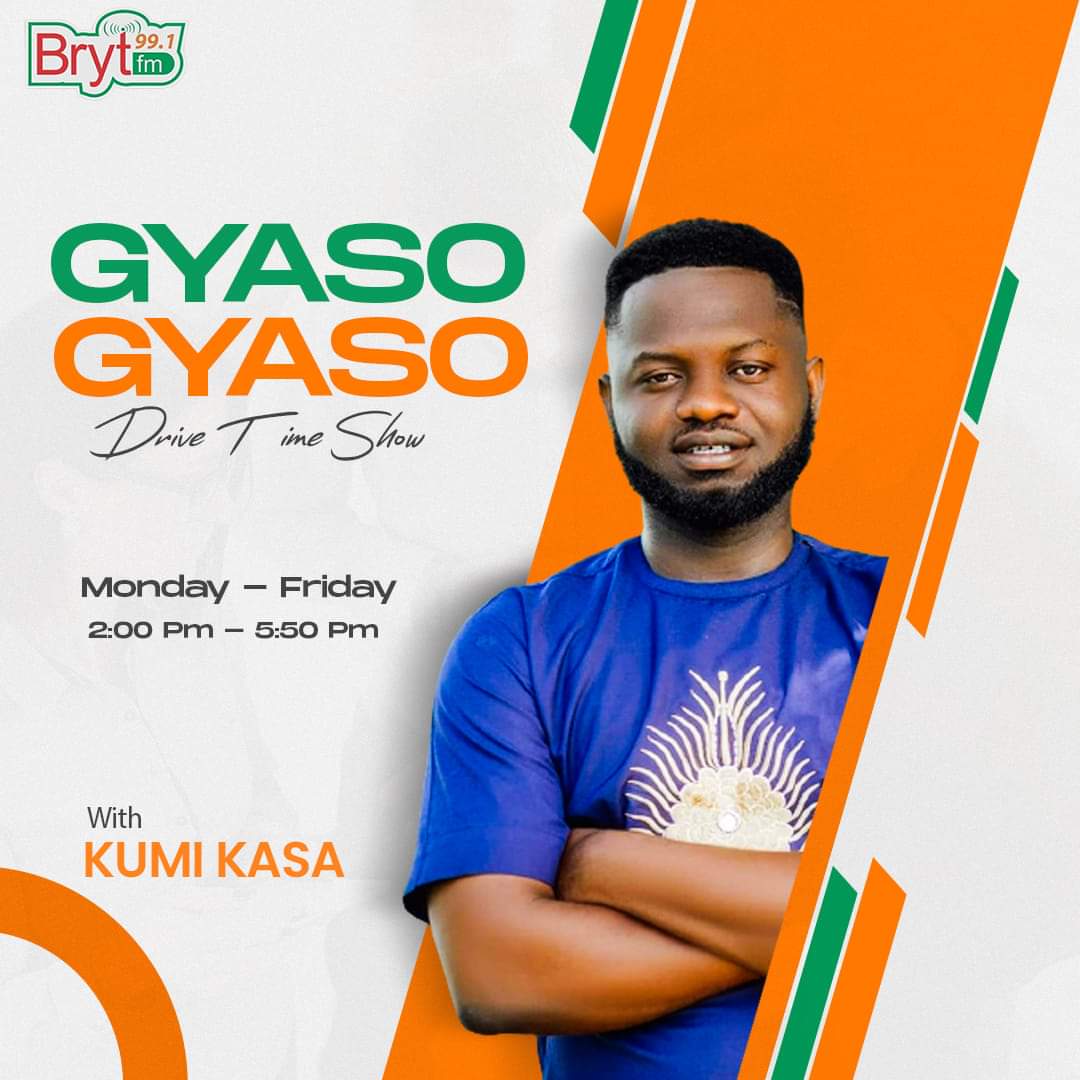


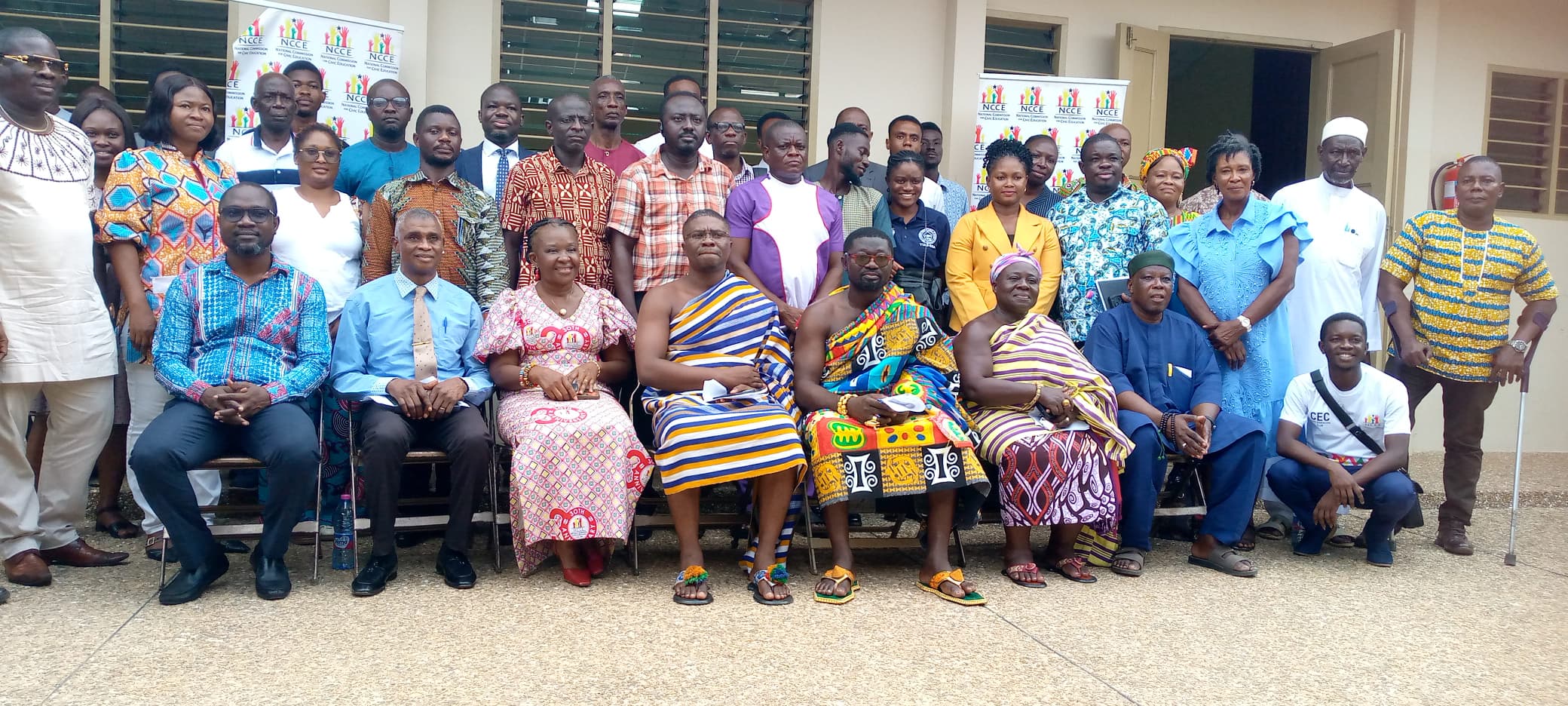
The Eastern Regional Office of the National Commission for Civic Education (NCCE) has organized a dialogue to discuss the negative effects of political party financing in Ghana.
The programme, led by the Eastern Regional Director of the NCCE, Madam Ophelia Nana Yaa Ankrah, was held on March 9, 2026, at The Church of Jesus Christ of Latter-day Saints in Effiduase. The event brought together stakeholders, civic leaders, and members of the public to deliberate on how political financing can affect Ghana’s democratic system.
In a welcome address delivered at the programme, participants were reminded that although political financing is necessary for the operations of political parties, it can also present challenges that may negatively impact the democratic fabric of the nation if not properly regulated.
The address noted that in recent years, the issue of political financing in Ghana has attracted significant attention, particularly regarding the sources of funding and how such funding may influence political decisions and governance.
Participants were therefore encouraged to focus on identifying practical solutions to address the challenges associated with political party financing. The address emphasized the need for transparency in political funding, strict enforcement of existing regulations, and the promotion of fair and equitable funding mechanisms.
According to the organizers, these measures are crucial to ensuring that Ghana’s democratic system serves the interests of all citizens. Participants were also encouraged to share their perspectives, experiences, and ideas during the discussions to help strengthen policies that promote accountability and transparency in political financing.
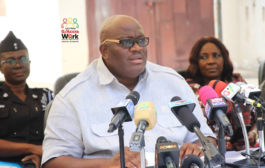
Speaking at the dialogue, the Director of Programmes and Operations at the NCCE, Mr. Fredrick Adu-Gyamfi, explained that government is planning to introduce a law to regulate political party financing and campaign funding.
He noted that although Ghana has existing laws regulating political parties, there are significant gaps, particularly when it comes to campaign financing.
According to him, the current laws do not clearly address how political campaigns should be financed during election periods. As a result, political parties and candidates often continue campaigning immediately after elections without clear legal guidelines.
Mr. Adu-Gyamfi indicated that the proposed legislation will help regulate both elections and campaign activities. The law is also expected to include provisions requiring media houses and advertisers involved in political campaigns to submit financial statements to the appropriate authorities to promote transparency and accountability.
The dialogue forms part of ongoing efforts by the NCCE to promote civic awareness and contribute to national discussions aimed at strengthening democratic governance in Ghana.
Source:Mybrytfmonline.comlAmuzu Priscilla