

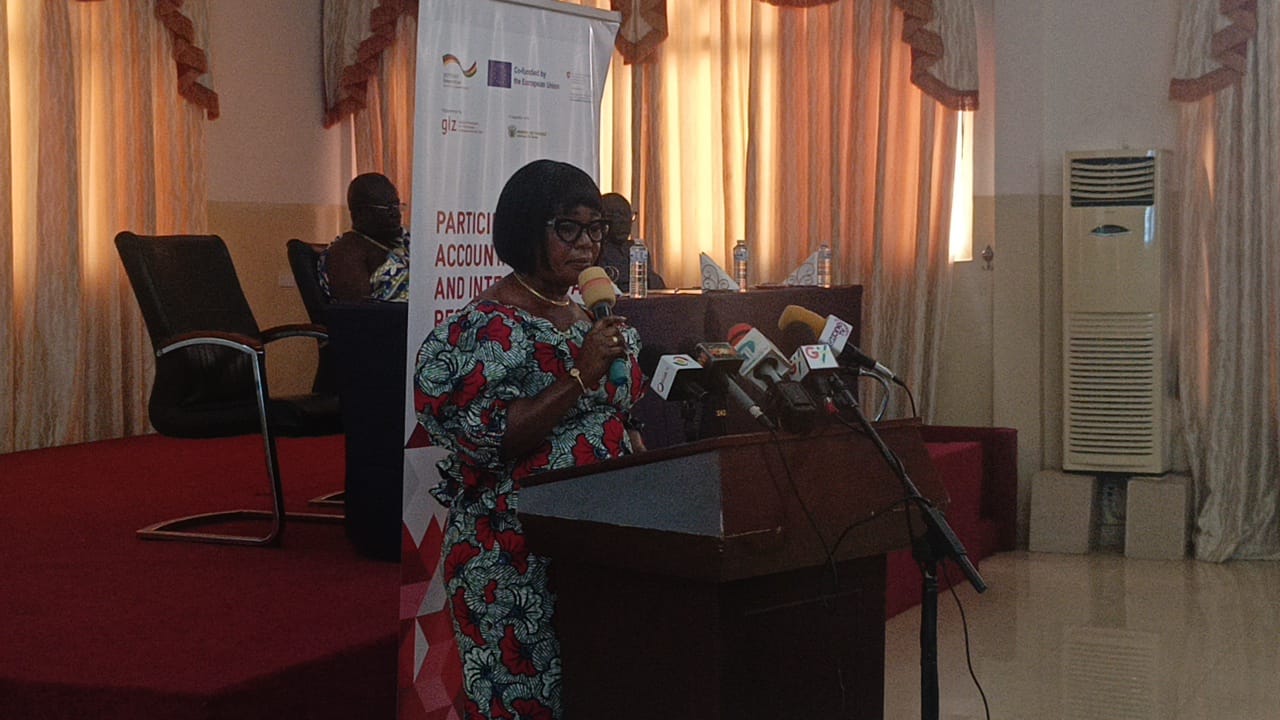
Koforidua, October 9, 2025 — The Eastern Regional Minister, Hon. Rita Akosua Adjei Awatey, has underscored government’s commitment to strengthening Ghana’s anti-corruption framework through broad stakeholder participation. She made this known during her welcome address at the opening of the Regional Stakeholders Engagement on the formulation of the National Ethics and Anti-Corruption Action Plan (NEACAP 2026–2030) held at the Capital View Hotel in Koforidua on Thursday.
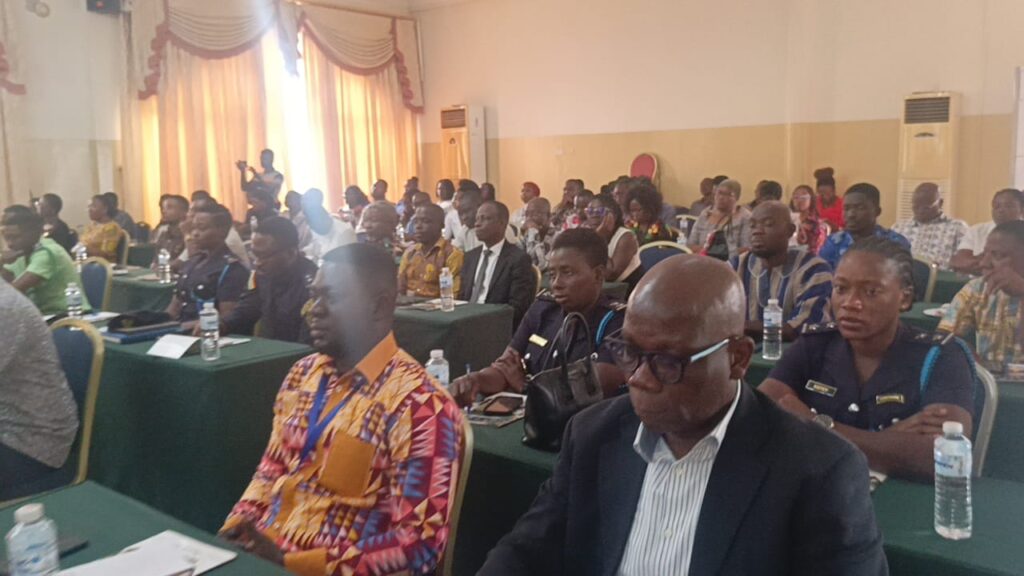
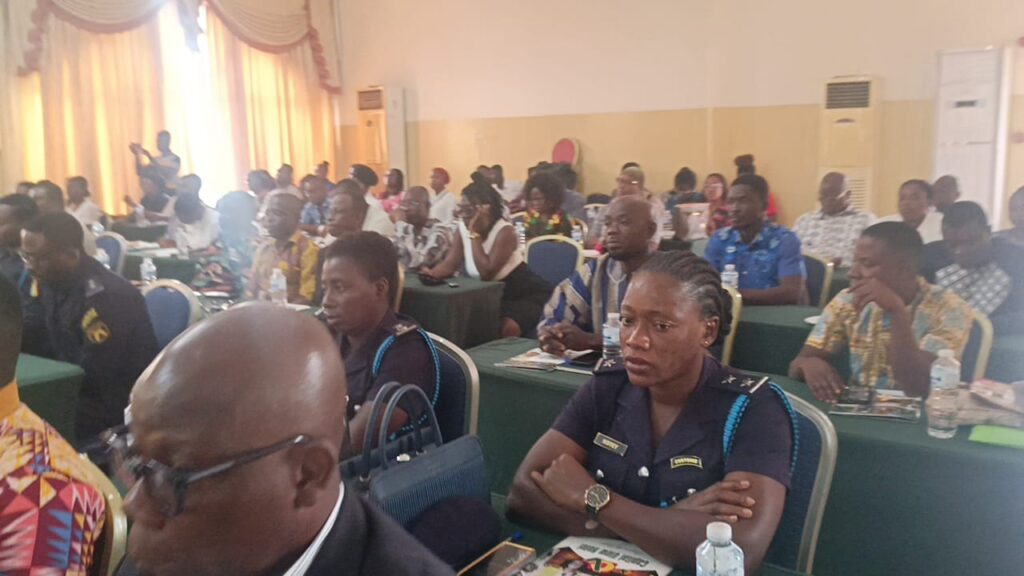
The event, convened under the auspices of the Office of the President, brought together traditional leaders, heads of institutions and departments, development partners, representatives of civil society and the private sector, as well as members of the media to deliberate on the next phase of Ghana’s anti-corruption strategy.
In her remarks, Hon. Adjei Awatey expressed appreciation for the diverse participation, noting that it reflected a collective national commitment to building a society anchored on integrity, transparency, and accountability.
“Corruption remains a major impediment to our national development. It erodes public trust, undermines good governance, and diverts resources from essential services,” she stated. “It is therefore refreshing that efforts are being made to renew and strengthen our national anti-corruption framework through an inclusive and participatory process such as this.”
The Minister emphasized that the fight against corruption required not only strong laws and institutions but also a comprehensive and coordinated approach that actively engages all citizens. She described the formulation of the new phase of the NEACAP as “a critical step forward” in achieving this goal.
Hon. Adjei Awatey further assured stakeholders of the government’s unwavering commitment under President Mahama to ensure both the effective formulation and implementation of the plan once finalized.
“This commitment is rooted in our belief that the fight against corruption must be sustained, non-partisan, and guided by values that reflect the aspirations of the Ghanaian people,” she added.
She pledged the full support of the Eastern Regional Coordinating Council (RCC) in ensuring that outcomes from the engagement inform national policy and that strategies developed are implemented effectively at the regional and local levels.
Concluding her address, the Regional Minister called on all participants to actively contribute to the discussions, stressing the need for a pragmatic and visionary plan that would safeguard the public interest and strengthen Ghana’s ethical foundations for future generations.
Hon. Adjei Awatey also commended the Office of the President, the Regional Coordinating Council, and the National Commission for Civic Education (NCCE) for their collaboration in organizing the forum.
“Let us leverage our diverse perspectives and experiences to shape a plan that reflects our shared values and collective aspirations,” she said. “May God bless our homeland Ghana.”
On his part, Jonathan Gador, Research and Policy Coordinator of the National Anti-Corruption Program at the Office of the Presidency, highlighted key strategies under NACAP aimed at building public capacity to condemn and actively join the fight against corruption in the country. He emphasized the need to institutionalize efficiency, accountability, and transparency across public, private, and not-for-profit sectors, and to ensure effective investigations and prosecutions as part of Ghana’s comprehensive anti-corruption efforts.
Source:Mybrytfmonline.com/Gumedzo Isaac Acheampong/ Nhyiraba Solomon Nartey