


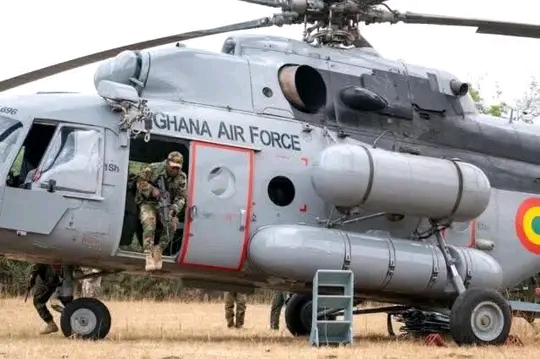
It’s a versatile, cost-effective machine for light utility and limited combat roles, its reliance is on an aging design, coupled with reliability issues and a lack of modern safety and combat features.
This makes it less competitive against contemporary helicopters. Its crash history and operational limitations, especially in demanding environments, suggest it is better suited for secondary roles rather than critical or high-risk missions.
For nations like Ghana or Pakistan, which rely on the Z-9 for military and naval operations, these downsides underscore the need for rigorous maintenance, pilot training, and consideration of more modern alternatives for high-stakes tasks.
It’s an aircraft that lacks certification with contemporary civil aviation safety standards, which can be a significant issue for operations requiring stringent safety compliance.
It is not equipped with advanced terrain awareness and warning systems (TAWS) or sophisticated sensor fusion, making it less suitable for night operations or poor weather conditions without costly upgrades.
Source:Mybrytfmonline.com