

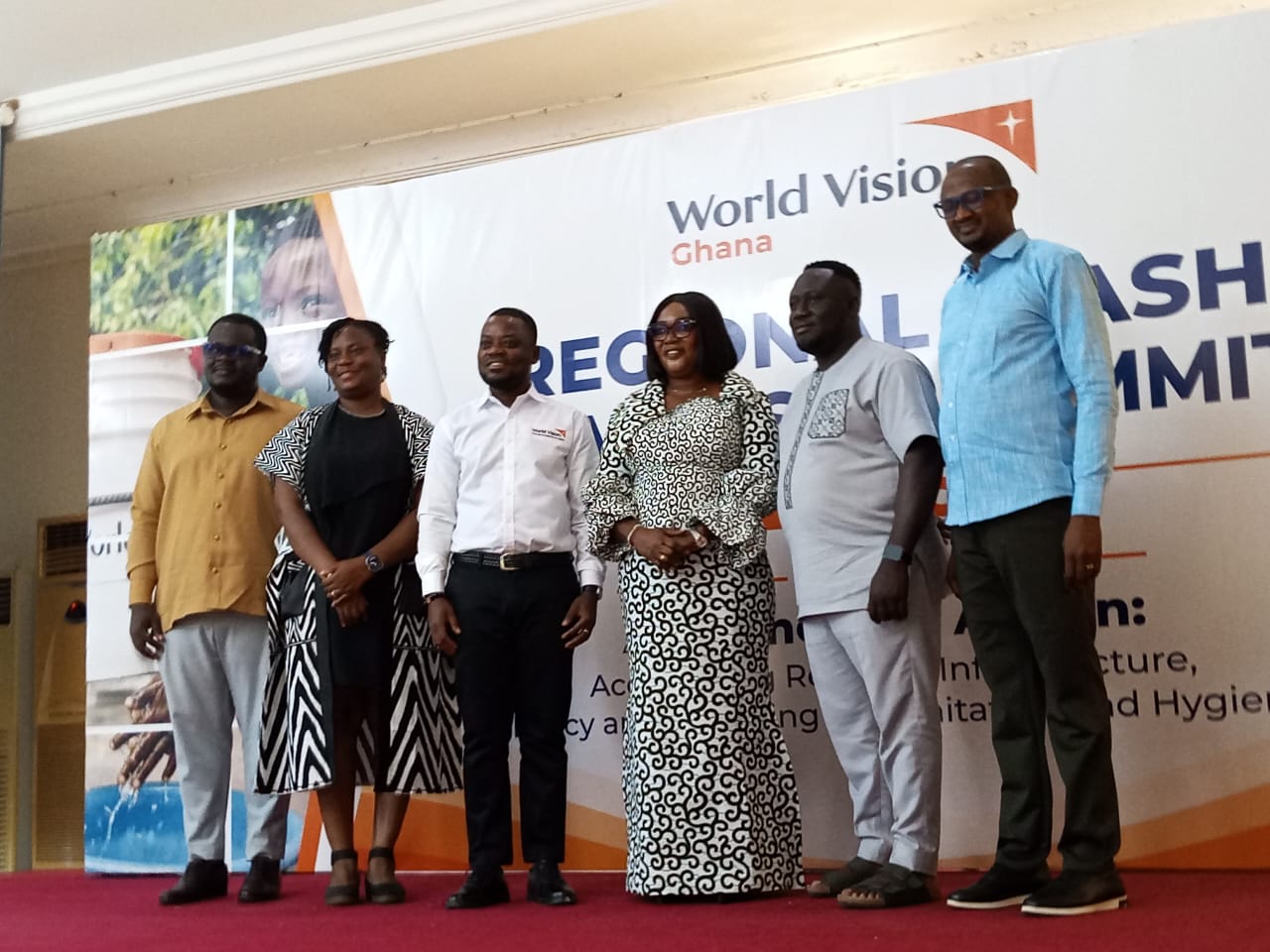
The Southern Regional Operational Manager of World Vision Ghana, Irvine Aboagye, has underscored the importance of sanitation and hygiene in promoting public health, protecting human dignity and driving socio-economic development.
He said access to safe water, proper sanitation and good hygiene practices remained essential to building healthier communities, improving educational outcomes and enhancing the quality of life of citizens.
According to him, communities and schools with access to safe sanitation and hygiene services are better positioned to protect children from preventable diseases, improve school performance and ensure that families live healthier lives.
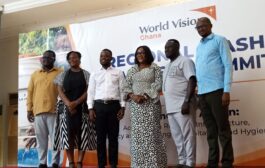
Mr. Aboagye made the remarks at the Eastern Regional WASH Leadership Summit, where he highlighted the transformative impact of water, sanitation and hygiene interventions implemented by World Vision Ghana across communities.
He noted that sanitation and hygiene formed the foundation of sustainable community development, stressing that poor sanitation continued to pose serious threats to public health and the well-being of vulnerable populations.
He said World Vision Ghana had partnered with government institutions, communities, schools, health facilities and development partners to expand access to safe water, improve sanitation infrastructure and promote positive hygiene behaviours.
Mr. Aboagye explained that the organisation’s interventions had contributed to increased school attendance among girls, strengthened infection prevention practices, healthier communities and improved resilience among families.
He added that through community-led approaches, innovation and strong partnerships, World Vision Ghana remained committed to ensuring that every child had access to safe water, decent sanitation and proper hygiene services to enable them to reach their full potential.
Eastern Regional Minister Calls for Practical Action
The Eastern Regional Minister, Hon. Rita Akosua Adjei Awatey, called on stakeholders to move beyond discussions and translate commitments into measurable actions to address sanitation and hygiene challenges across the region.
Addressing the summit, she described sanitation and hygiene as fundamental to public health, human dignity and sustainable development, warning that no community could achieve meaningful development while its people remained exposed to preventable diseases caused by poor sanitation, unsafe water and inadequate hygiene practices.
She acknowledged the progress made in the provision of Water, Sanitation and Hygiene (WASH) services but noted that significant gaps remained, particularly in access to basic services in communities, schools and healthcare facilities.
According to her, addressing the challenges required strong leadership, effective coordination and sustained investment rather than isolated interventions.
Hon. Awatey commended World Vision Ghana for providing a platform for key stakeholders to exchange ideas, explore innovative financing opportunities and identify practical solutions to the region’s WASH challenges.
She urged Metropolitan, Municipal and District Assemblies to strengthen the enforcement of sanitation regulations, promote behavioural change, improve waste management systems and prioritise access to safe water and decent sanitation in every community.
The Regional Minister further called for a collaborative approach involving development partners, the private sector, civil society organisations, traditional authorities and the general public, emphasising that sanitation was a shared responsibility.
She said lasting improvements would only be achieved when all stakeholders took ownership of sanitation and hygiene initiatives in their respective communities.
Hon. Awatey also reaffirmed the government’s commitment to providing resources for a clean and safe environment, adding that the monthly clean-up exercise would be sustained until every household, individual and community contributed to making the region clean and habitable.
She expressed hope that the summit would serve as a turning point in the region’s efforts to build cleaner, healthier and more resilient communities where access to safe water, sanitation and good hygiene practices became a basic standard of living rather than a privilege.
Traditional Authority Urges Stakeholders to Enforce Sanitation Practices
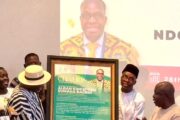
The Gyaasehene of the New Juaben Traditional Area, Nana Twumasi Dankwa, also called on stakeholders to intensify efforts to enforce sanitation and hygiene practices in communities, schools and other public places.
He stressed the need for collective responsibility in maintaining clean environments and encouraged stakeholders to ensure that sanitation regulations were respected to safeguard public health.
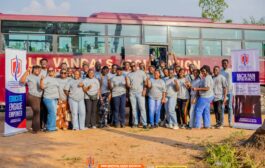
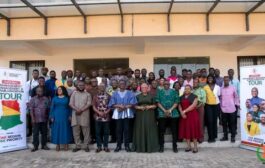
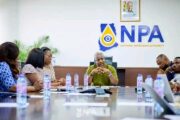
The Eastern Regional WASH Leadership Summit brought together key stakeholders to discuss challenges, strengthen partnerships and identify practical strategies for improving access to water, sanitation and hygiene services across the region.
Source:Mybrytfmonline.com