

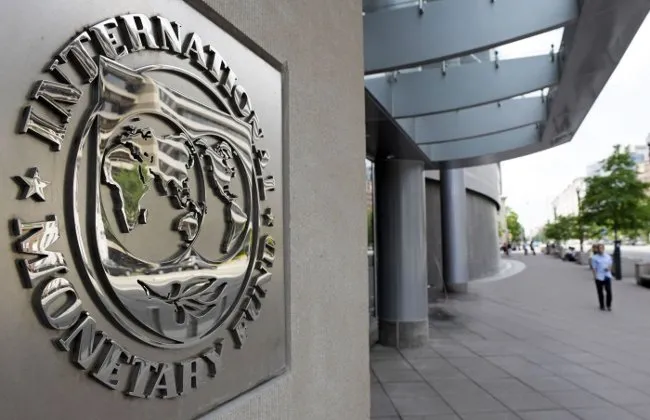
In a decisive update on Ghana’s ongoing economic reform programme, the International Monetary Fund (IMF) has urged the Bank of Ghana to maintain a firm monetary stance and adopt greater flexibility in foreign exchange (FX) management to bring inflation down to single digits.
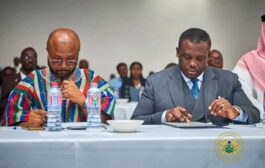
Bo Li, Deputy Managing Director of the IMF, made these remarks following the Executive Board’s completion of the fourth review of Ghana’s US$3 billion, 36-month Extended Credit Facility (ECF) arrangement on Monday, July 7. The program, initially approved in May 2023, is a cornerstone of Ghana’s efforts to restore macroeconomic stability.
Ghana’s inflation for June 2025 stands at 13.7%, according to the Ghana Statistical Service—still significantly above the Bank of Ghana’s target.
Li emphasized that the central bank must reduce its presence in the FX market and introduce a formal internal FX intervention policy to help stabilize the exchange rate and rebuild investor confidence.
Beyond monetary policy, Li commended Ghanaian authorities for intensified efforts to stabilize the banking sector, particularly by addressing undercapitalised banks. However, he cautioned that long-term resilience hinges on deeper structural reforms.
“Ghana needs to fully implement plans to strengthen the National Investment Bank (NIB), finalize a reform strategy to ensure state-owned banks are viable and sustainable, and prepare contingency measures for banks that fail to recapitalize,” Li noted.
He added that reforms in the financial sector must also include enhancing crisis management frameworks, reinforcing financial safety nets, and resolving lingering issues within specialized deposit-taking institutions.
The IMF also acknowledged that Ghana has made “significant strides” in rebuilding its international reserves and tackling inflation. According to Li, the new administration, which took office amid policy slippages and reform delays at the end of 2024, has taken “bold corrective actions” to steer the programme back on course.
These actions, paired with ongoing structural reforms and an improved external environment, are expected to bolster Ghana’s economic recovery, improve resilience, and promote inclusive growth.
Li further praised the government’s strong commitment to restoring fiscal discipline, citing the passage of a 2025 budget aligned with the programme’s goals and the enactment of a stronger fiscal responsibility framework.
Looking forward, Li stressed that sustained fiscal adjustments and the completion of Ghana’s debt restructuring are essential to ensure long-term fiscal health. He also highlighted the need for greater domestic revenue mobilisation, efficient public spending, and targeted social safety initiatives.
“Strengthening tax administration, tightening expenditure control, and improving the efficiency of state-owned enterprises—especially in the energy sector—will be vital to reducing fiscal risks and achieving sustainable growth,” Li concluded.
Source:Mybrytfmonline.com/Gumedzo Isaac Acheampong