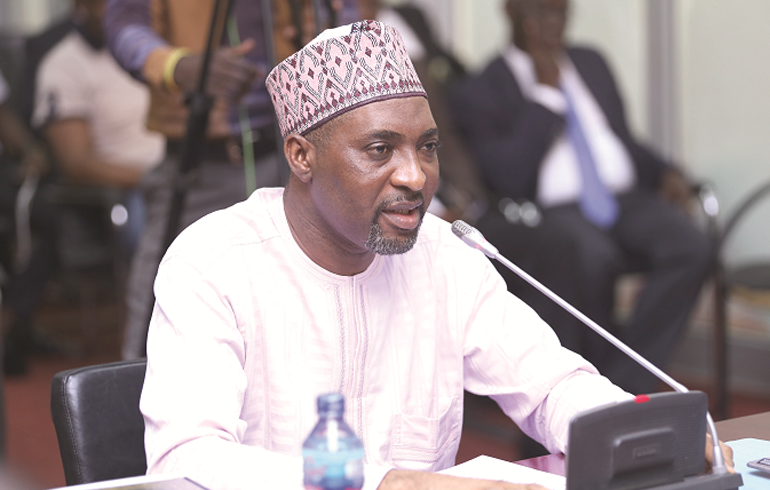


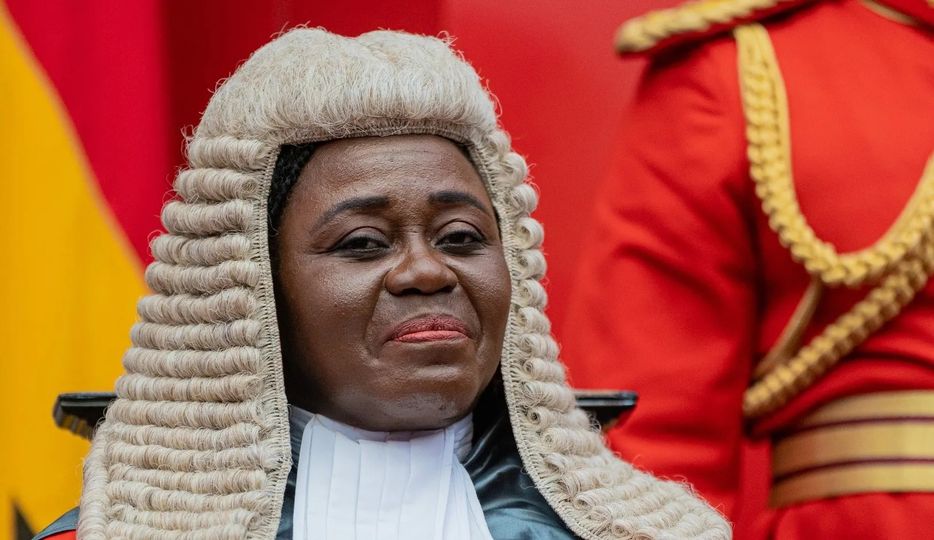
Lawyer Stephen Asante Bekoe has shared his legal perspective on Chief Justice Gertrude Araba Esaaba Sackey Torkornoo’s decision to escalate her impeachment case to the ECOWAS Court of Justice in Abuja, Nigeria. According to him, the Chief Justice’s decision was both necessary and legally justified, especially in light of the events surrounding the impeachment process.
Speaking on Bryt Adekye Mu Nsem with host Kwamina Sam Biney on Bryt 99.1 FM on Wednesday, July 9, 2025, Lawyer Bekoe said he was not surprised by the Chief Justice’s move, given the way events were unfolding.
“I was waiting to see things get to this point, so I am not surprised at all,” he stated during the interview.
Bekoe praised Chief Justice Torkornoo for her courage and resilience, describing her as the first judicial officer in Ghana to firmly withstand an impeachment process without giving up. He commended her decision to seek redress at the regional level as a demonstration of her strong commitment to justice, fairness, and the rule of law.
“This is unprecedented. She has remained resolute and has not given up, even when the situation seemed dire,” he added.
Lawyer Bekoe elaborated on the function of the ECOWAS Court of Justice, stating that it was established in 2001 to resolve disputes between member states and to protect human rights across the region.
“If countries within ECOWAS have misunderstandings, they should go to the ECOWAS Court to resolve them. And if an individual believes that their fundamental human rights have been violated by their own country, they too can seek justice at the ECOWAS Court,” he explained.
He emphasized that the court was created not just for states but also for individuals who feel their rights have been infringed upon, adding that the Chief Justice’s decision to take her case to ECOWAS falls within her legal rights.
Lawyer Bekoe said Chief Justice Torkornoo took her case to ECOWAS because she believed the impeachment process against her was flawed and biased. She reportedly questioned the fairness of the panel, noting that two of the judges should not have been part of the proceedings.
According to Bekoe, the Chief Justice also raised concerns about how the committee handled witness testimony. On the day the hearing was scheduled to begin, one of the key female witnesses was unable to attend. As a result, the committee reportedly refused to allow the Chief Justice’s lawyer to speak. Furthermore, the committee set rules barring the Chief Justice’s lawyer from cross-examining the petitioners who brought the case before the President.
Bekoe said these decisions led the Chief Justice to believe her fundamental rights were being violated.
“She believes the process was unfair and that her right to a fair hearing was denied,” Bekoe stated.
He also revealed that the venue of the proceedings held personal trauma for the Chief Justice. The case was heard in a location (referred to as Adulawge) where, years ago, several people were allegedly mistreated, including her own uncle, who died during the incident. According to Bekoe, this made it emotionally difficult for the Chief Justice to attend the hearings.
Chief Justice Torkornoo’s appeal to the ECOWAS Court is being closely monitored by legal experts, political analysts, and human rights advocates across Ghana and West Africa. The outcome of the case could set a legal precedent for how high-ranking judicial officials are treated and protected under both national and regional legal frameworks.
Many see her actions as a bold move that could strengthen judicial independence and reinforce the role of regional institutions in protecting constitutional rights.
Source:Mybrytfmonline.com/Amuzu Priscilla