

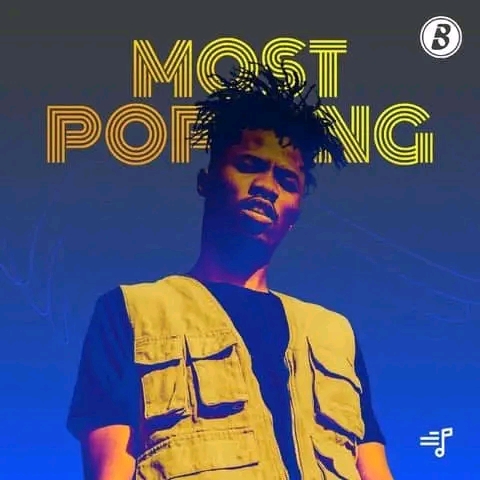
Ghanaian rap heavyweight Kwesi Arthur has ignited a major industry storm after publicly accusing his former label, Ground Up Chale, and its founder Glen Boateng of intimidation, manipulation, and unlawful control over his music and personal image.
In a strongly worded statement shared on his official social media platforms on January 21, 2026, the award-winning artist revealed that he is being asked to pay US$150,000 simply to use images of himself for an upcoming independent project. According to Kwesi Arthur, the label claims ownership over his image, music catalogue, and brand dating back to 2016, despite his insistence that he has had no active professional or contractual relationship with them since the release of his 2022 debut album, Son of Jacob.
“I have not worked or had any affiliation with the company since Son of Jacob,” the rapper stated. “I have not made a dime from any of my music within the period I worked with them for years now, yet I receive constant threats and manipulation.”
The artist further alleged that Glen Boateng continues to “live off” his hard work and warned fans that any disruption to his independently released projects should be traced back to his former label. In one of the most alarming parts of his statement, Kwesi Arthur said that the prolonged dispute has taken a severe toll on his mental health.
“If anything happens to me or my family,” he warned, “Glen Boateng and all team members of Ground Up Chale are responsible and should be held accountable.”
The conflict appears to stem from long-standing contractual and rights disputes following Kwesi Arthur’s departure from the label that helped launch his career. While Ground Up Chale has yet to publicly respond to the allegations, the revelations have sparked widespread debate online about artist exploitation, image rights, and the long-term consequences of early career contracts in the music industry.
As fans rally behind the “Grind Day” hitmaker, many are calling for transparency and legal clarity in an industry where ownership, control, and creative freedom often collide. For now, all eyes remain on what could become one of the most significant artist-label showdowns in Ghanaian music history.
Source:Mybrytfmonline.com/Gumedzo Isaac Acheampong