

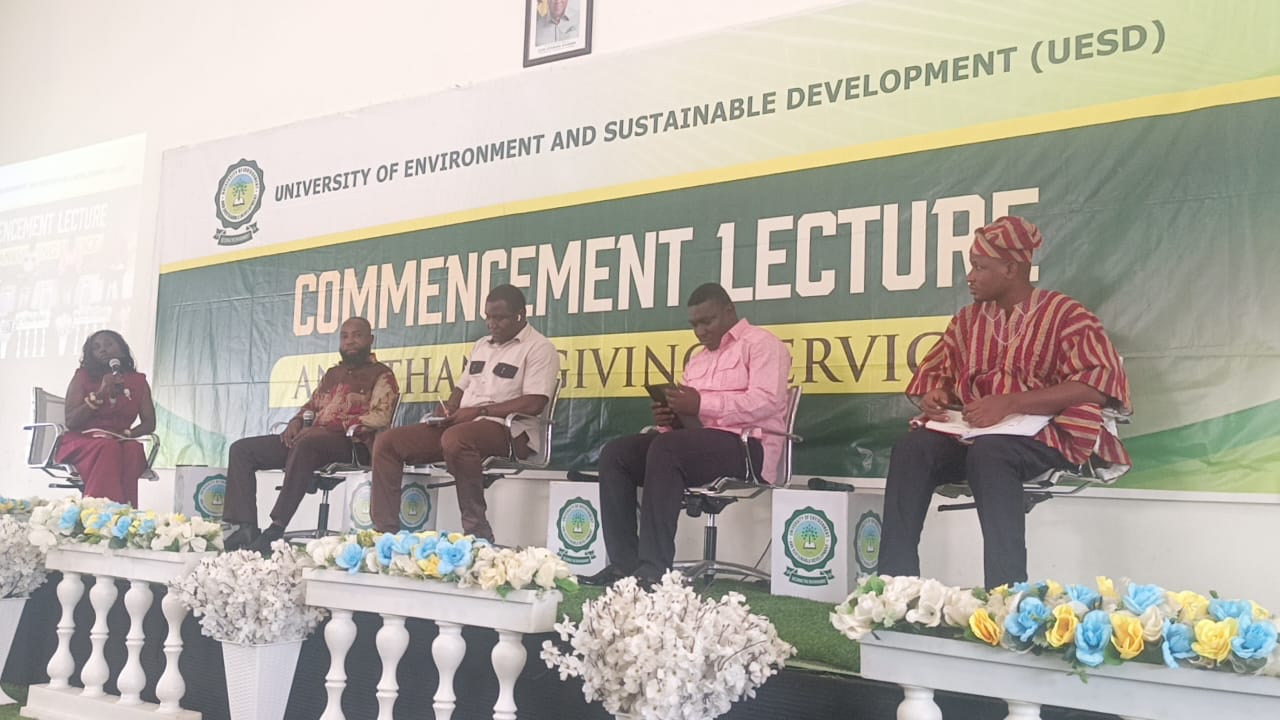
The University of Environment and Sustainable Development (UESD) has called for a drastic “shoot-and-kill” approach to combat illegal small-scale mining (galamsey) in Ghana, as efforts to curb the menace continue to stall.
The call follows findings from a recent 2025 UESD study on major river bodies, including the Birim, Pra, Ayensu, Bonsa, and Offin rivers, which revealed alarming levels of pollution linked largely to galamsey activities.
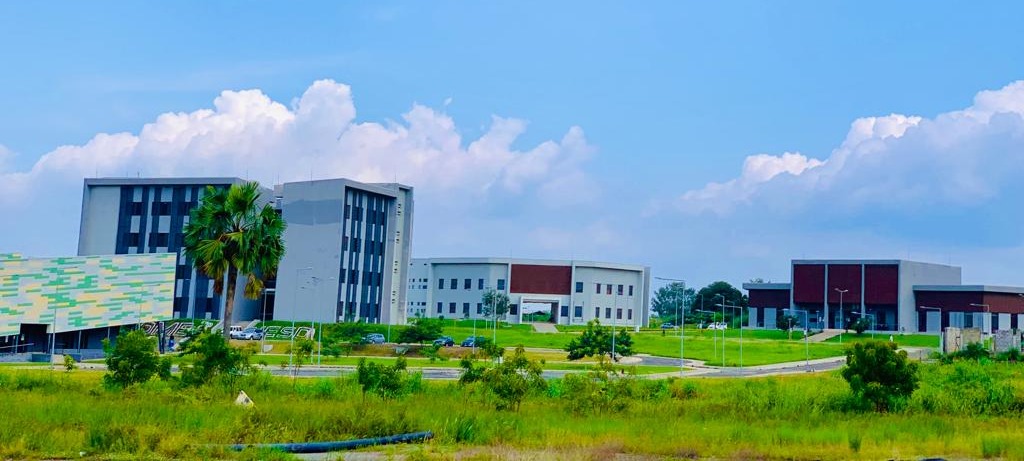
UESD, a public institution dedicated to environmental research and sustainable development, stated that its mandate is to equip change-makers with the knowledge and skills needed to protect the environment for the public good.
Shocking Water Quality Findings
According to the study, turbidity levels in sampled rivers ranged from 9 to as high as 16,800 NTU—values that, in many cases, exceeded recommended standards by more than 1,000 times.
Dissolved oxygen (DO), which is critical for aquatic life, should ideally remain above 6.5 mg/L to support healthy ecosystems. Most fish species require 5–6 mg/L, while levels below 3 mg/L cause stress and can be lethal. However, DO levels in the sampled rivers ranged from just 1.29 to 6.83 mg/L.
The Birim River at its source in Akyem Apapam was classified as healthy and suitable for most aquatic life. In contrast, sections of the Birim River at Osino, Kyebi, Bunso, and Akim Oda; the Pra River at Praso, Sekyere Heman, Daboase, and Shama; and the Tano River at Elubo were categorized as hypoxic—too low in oxygen to support many fish species and potentially lethal.
Water Quality Index Results
Using the Water Quality Index (WQI)—which integrates parameters such as pH, dissolved oxygen, biochemical oxygen demand, nutrients, faecal coliform, suspended solids, temperature, and conductivity—the rivers were classified into four categories:
Class I: Good (>80)
Class II: Fairly Good (50–80)
Class III: Poor (25–50)
Class IV: Grossly Polluted (<25)
The source of the Birim River at Akyem Apapam and the Offin River at Offinso and Barekese recorded fairly good water quality. However, Kyebi, Osino, Bunso, and Akim Oda were found to be grossly polluted.
All samples taken from the Pra River, Ayensu River (Kwanyako), Tano River (Elubo), and Bonsa River were classified as Class III—poor water quality.
Trend analysis from 2005 to 2024 showed relatively better water quality at Kpong (Main Volta) and Barekese (Offin River), while the Ankobra, Pra, and Densu rivers consistently recorded poor quality.
Health and Water Security Concerns
The study also highlighted the dangers of heavy metals such as lead, arsenic, cadmium, and mercury in drinking water. These metals pose severe health risks, including organ damage, neurological impairment, cancer, and long-term developmental and cognitive challenges, especially in children, due to bioaccumulation.
In exploring alternatives to polluted surface water, UESD noted options such as groundwater extraction, rainwater harvesting, wastewater recycling, desalination, and cloud seeding—which can increase rainfall by up to 15% under suitable conditions and is already being practiced in countries like Chile, Morocco, and South Africa.
While groundwater is often considered safer due to natural filtration and reliability during droughts, the university questioned whether it can truly serve as a long-term solution to Ghana’s looming water crisis. Proponents of galamsey have argued that groundwater could replace polluted rivers, but UESD cautioned against this assumption.
Call for State of Emergency
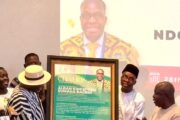
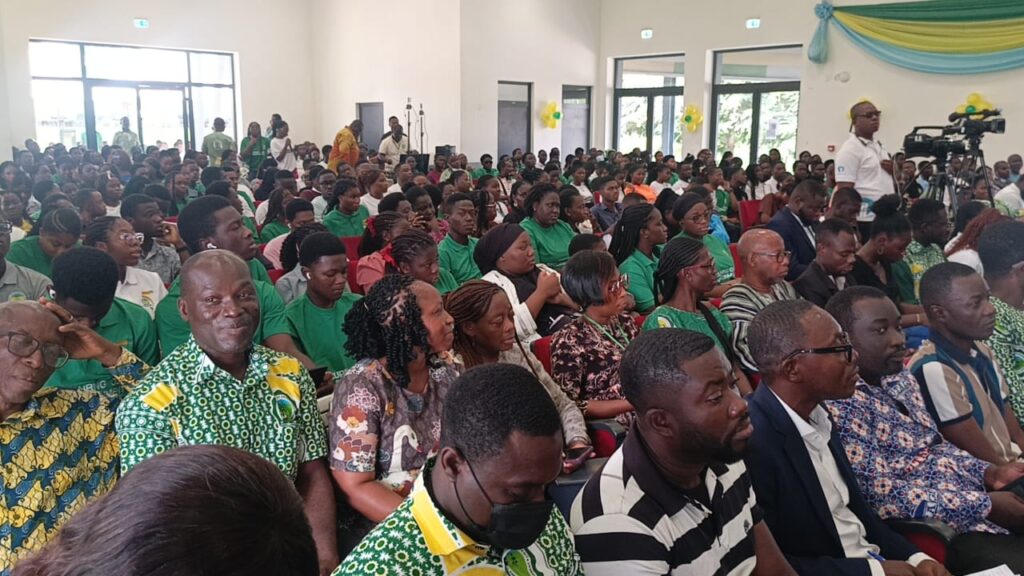
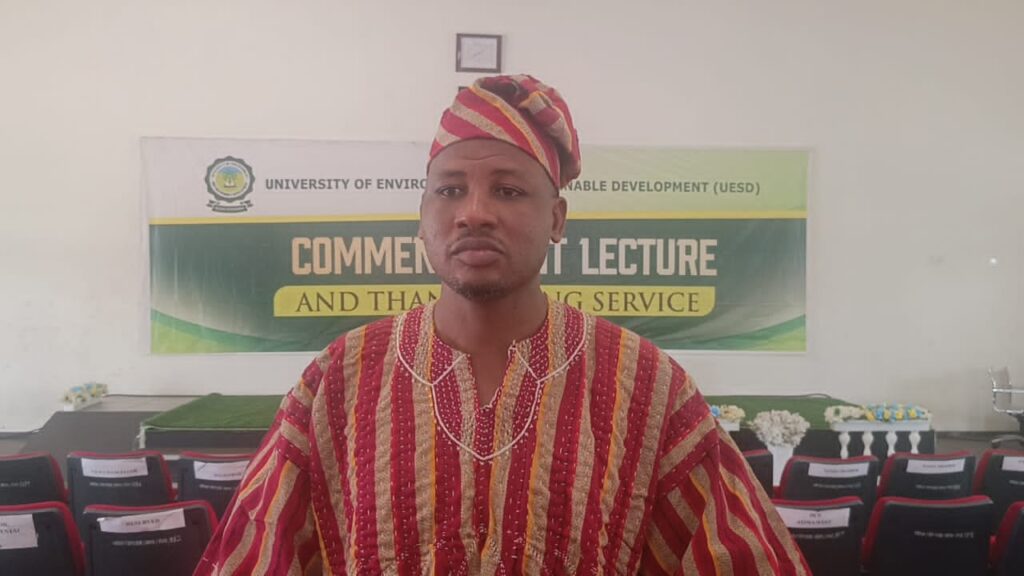
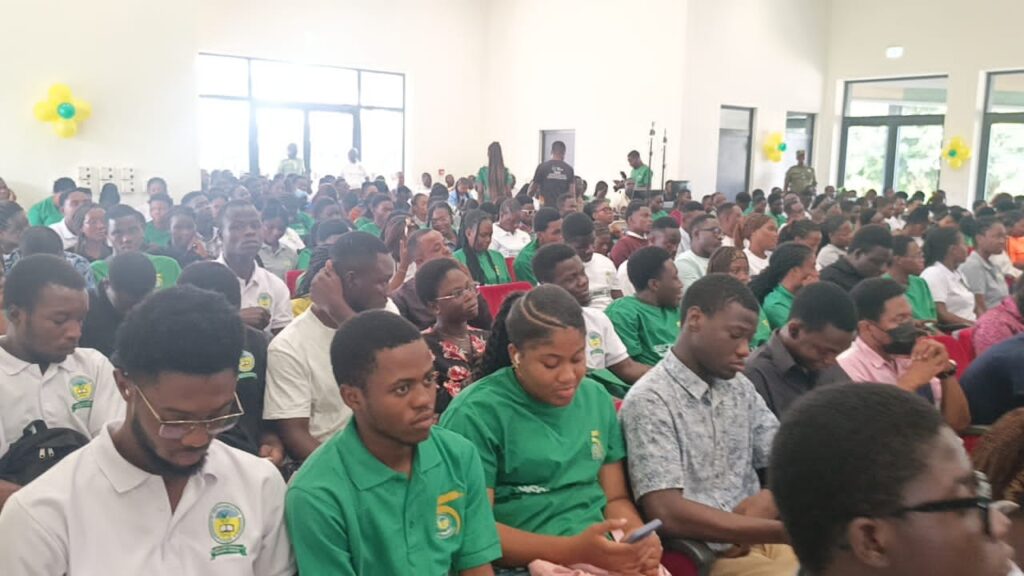
Speaking at the 6th UESD Commencement Lecture themed “Securing the Environment: Challenging the Galamsey Menace in Ghana,” Prof. Gibrilla Abass, a Water Resources Scientist and Isotope Hydrologist at UESD, called on the government to declare a state of emergency over Ghana’s water bodies.
Prof. Abass urged politicians to stay out of the galamsey fight and called for stronger regulations, strict enforcement of environmental laws, and the use of technology to minimize human interference. He also emphasized the need for Civil Society Organizations to sustain advocacy efforts and called for the establishment of permanent security posts in forest reserves.
He described Africa’s mining sector as contributing poorly to socio-economic development, attributing the situation to what he termed a severe form of the “Dutch disease,” suggesting it might more appropriately be called the “African disease.”
Focusing on water resources, Prof. Abass stressed that achieving Sustainable Development Goal 6—clean water and sanitation—is foundational to all other SDGs.
“Access to clean water is a critical driver of socio-economic growth, environmental sustainability, and human well-being. Protecting and investing in water resources is investing in the entire 2030 Agenda,” he said.
Tracing the history of mining in Ghana, he explained that early gold extraction largely involved panning along riverbanks and coastal areas, with rivers such as the Ankobra, Offin, Tano, and Birim serving as major sources of gold until the mid-18th century.
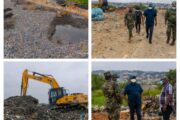
Prof. Abass noted that what began as artisanal mining has now evolved into a highly organized criminal enterprise, with thousands of individuals and communities involved, particularly in gold-rich regions such as the Eastern, Central, and Western regions.
Source:Mybrytfmonline.com/Nhyiraba Solomon Nartey