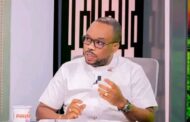


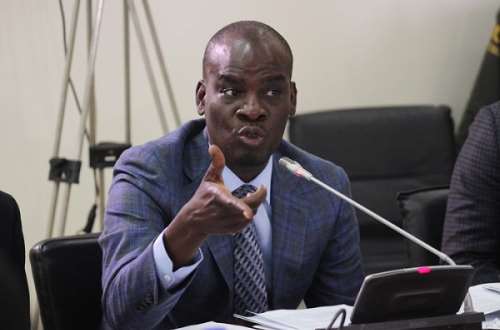
Education Minister and Member of Parliament for Tamale South, Haruna Iddrisu, has emphasized that the success of Ghana’s newly launched 24-Hour Economy policy depends heavily on prioritizing education.
Speaking on JoyNews’ PM Express on Tuesday, July 1, Iddrisu said that no part of the ambitious policy can be achieved without a well-educated population. He argued that trained minds are essential to addressing national challenges, from tackling illegal mining (galamsey) to promoting trade, population control, and health.
“In delivering on the 24-hour economy, even if you want to succeed in fighting galamsey, you would need a trained mind. That has to be an educated mind,” he said.
He highlighted how education influences every aspect of development—from economic productivity to informed decision-making, especially among women. According to Iddrisu, education must be treated as the bedrock of national progress.
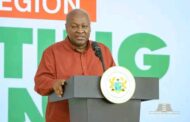
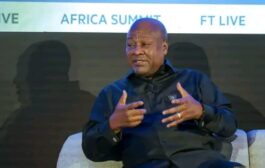
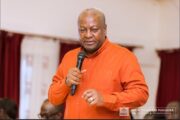
His comments came a day after the official launch of the 24-Hour Economy initiative by former President John Dramani Mahama, which Iddrisu described as a major turning point for national policy—marking a shift from “slogan to action.”
He noted that the 24-Hour Economy and the Accelerated Export Development Initiative are not new ideas but long-standing elements of Mahama’s vision, developed over the past four years while out of office.
The Minister also drew attention to Ghana’s heavy dependence on imported goods, citing figures such as:
$3 billion spent annually on rice imports,
$3.4 billion on cereals,
$2.6 billion on frozen poultry,
and $2.4 billion on sugar.
He said this import reliance is a clear motivation behind Mahama’s push for a 24-hour economy that can drive local production, food security, and self-reliance.
“The President wants to respond to a national need—for us to invest more in being a food-sufficient, self-reliant country.”
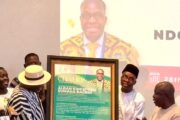
Iddrisu praised Mahama’s leadership and foresight, especially in selecting Goosie Tanoh—a respected figure in the NDC—to anchor the policy’s implementation.
One of the most significant announcements, he said, was Mahama’s pledge that the 24-Hour Economy would be private sector-led, with government playing a supportive role.
“What was profound today is the President’s public statement that the 24-Hour Economy will not be dominated by government. The government will only act as an enabler, allowing the private sector to drive the initiative across key sectors.”
Iddrisu concluded by expressing optimism that the combined focus on education, industrial development, and private sector empowerment will help Ghana transform into a resilient, inclusive, and productive economy.
Source:Mybrytfmonline.com/Nana Agyenim Boateng Sikapa