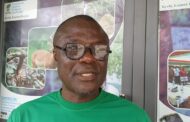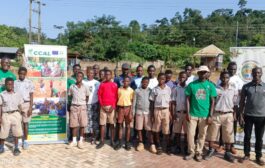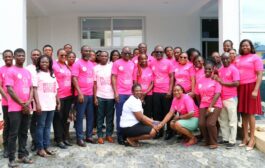


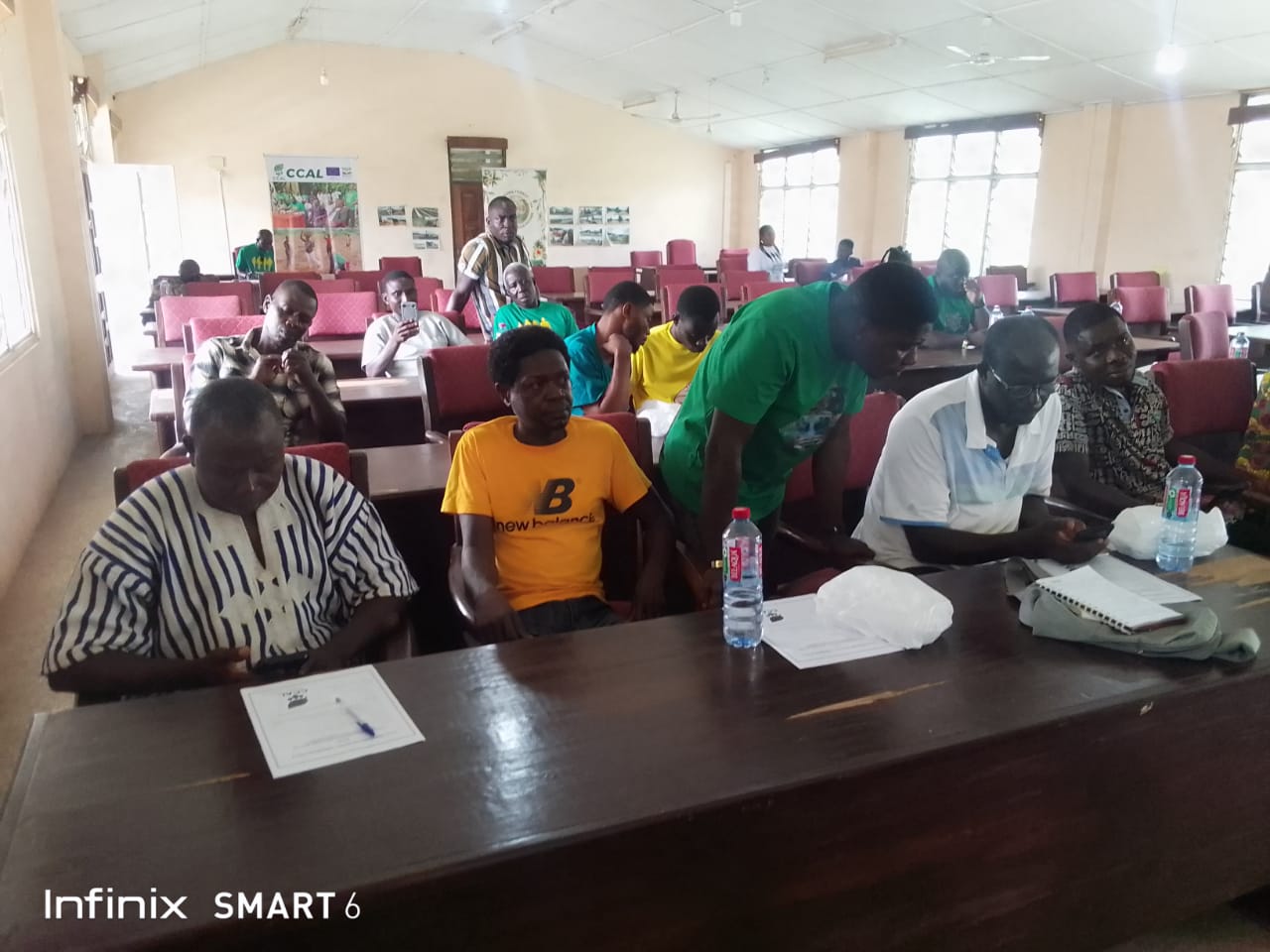
Mr. Paul Asumaku, Convenor of Concerned Citizens of Atiwa Landscape (CCAL), has highlighted the urgent need for stronger community-led governance to safeguard the Atiwa landscape against the destructive effects of illegal mining and deforestation.
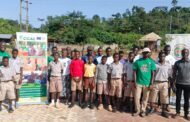
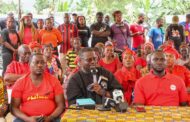
Speaking at a recent program themed “Strengthening Community-Led Governance for sustainable minerals Management in Atiwa landscape,” Mr. Asumaku emphasized the importance of training community monitors.
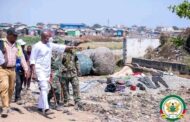
“These trained monitors will observe, document, and report activities that threaten our forests and water bodies,” he explained. He noted that illegal mining practices and tree cutting are destroying both the forest and key water sources, including Ayinso and Danso.
Mr. Asumaku stressed the importance of sharing such information with relevant authorities, such as the Minerals Commission and the Environmental Protection Agency (EPA), to ensure the government is aware of the current state of the forest. “If action is not taken now, our water bodies and mineral resources could be irreparably damaged,” he warned.
The community is actively training members to collect reliable information, which can then be handed over to security agencies tasked with combating illegal mining. Mr. Asumaku further suggested that declaring a state of emergency may be necessary, as the government alone finds it challenging to stop illegal mining, locally known as Galamsey, without stronger measures.
He proposed that individuals involved in Galamsey should be registered and trained under the district’s General Commission, which could equip them with proper skills and tools, such as licensed mining equipment, to ensure sustainable practices.
“Many people believe Galamsey has come to stay, but if immediate measures are not implemented, the effects on our forests, water bodies, and mineral resources will be devastating,” he concluded.
Source:Mybrytfmonline.com/Amuzu Priscilla