

The Ghana Health Service (GHS) has urged journalists to go beyond reporting Community Scorecard findings and actively follow up on commitments made by health authorities to address concerns raised by communities.
Director of the Policy, Planning, Monitoring and Evaluation Division of the Ghana Health Service, Dr. Samuel K. Boakye-Boateng, said the media has a critical role to play in ensuring that community feedback translates into tangible improvements in healthcare delivery.
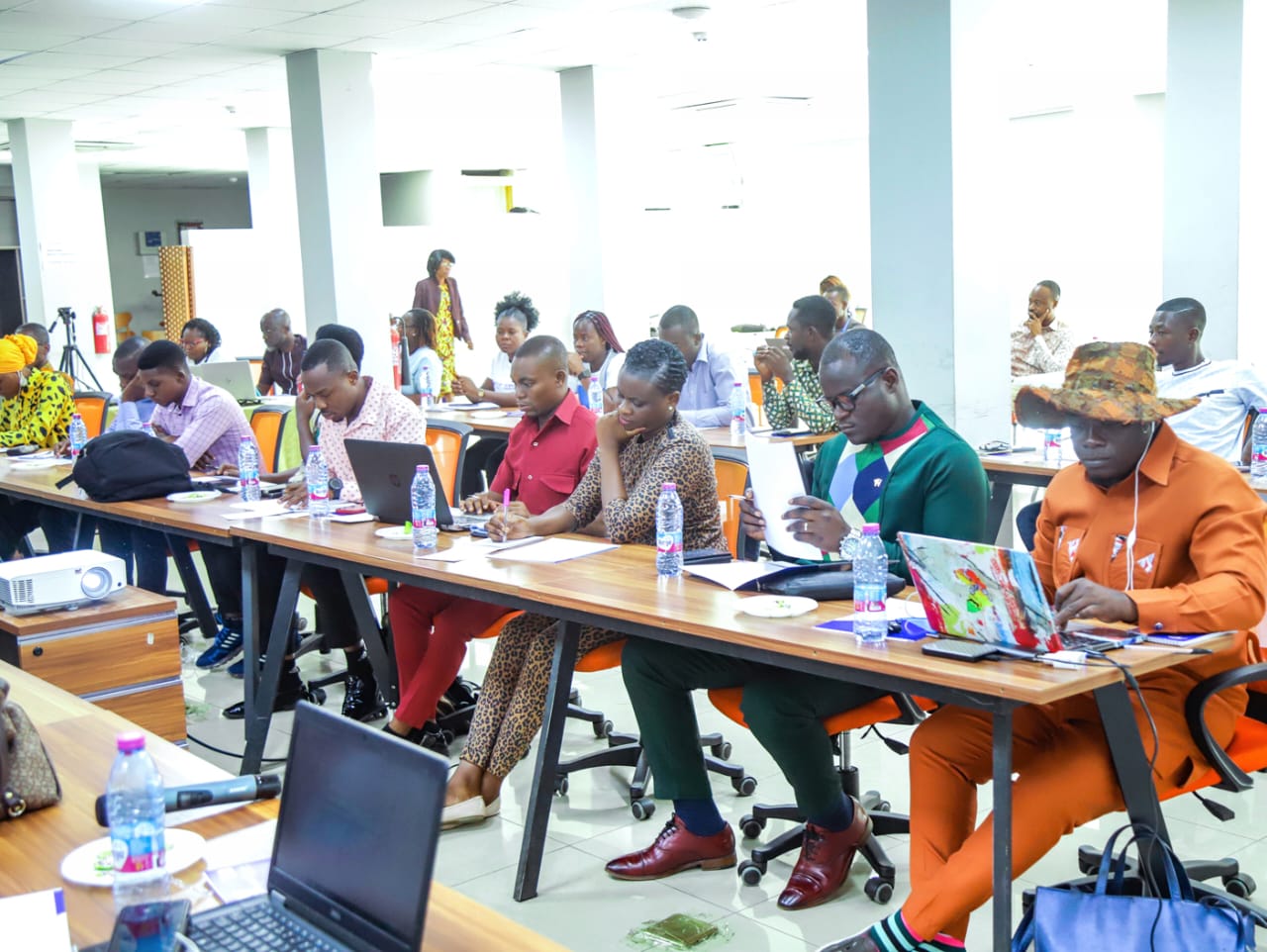
Speaking at an engagement with journalists on the Community Scorecard (CSC) Project in Ghana on September 30, 2026, Dr Boakye-Boateng described the media as a bridge between communities, health managers, policymakers and the wider public.
He encouraged journalists to investigate whether agreed actions had been implemented, who was responsible for them and whether the interventions had resulted in improved health services.
“Follow the action, not only the announcement,” Dr. Boakye-Boateng told journalists, urging them to ask what was agreed, who was responsible, whether commitments were being honoured and whether the action had actually improved services.
He also called on the media to amplify the voices of communities that use the scorecard to identify challenges and work with health authorities and other stakeholders to find solutions.
According to him, journalists must report scorecard findings with accuracy, balance and context, stressing that a negative scorecard finding should serve as a starting point for problem-solving rather than a verdict against individual health workers or institutions.
The Community Scorecard was developed in 2018 by the Ministry of Health and the Ghana Health Service with support from the African Leaders Malaria Alliance (ALMA).
The initiative provides a structured mechanism for communities and health service providers to assess healthcare experiences, identify challenges, understand the causes and agree on practical measures to address them.
At the Community-based Health Planning and Services (CHPS) level, communities assess services quarterly using nine indicators before developing Community Health Action Plans with agreed responsibilities. The scores and action plans are recorded in DHIMS2 and the Community Scorecard web platform to facilitate monitoring and follow-up.
Dr. Boakye-Boateng said the real value of the scorecard does not lie simply in whether an indicator is marked red or yellow, but in what health authorities do after the findings have been recorded.
He said where concerns are identified, health managers must determine whether they can be resolved at the facility level or require intervention at the district, regional or national level.
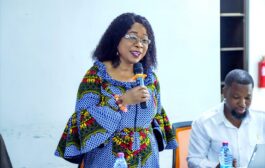
The Executive Secretary of African Media and Malaria Research Network (AMMREN), Dr. Charity Binka also called for stronger collaboration between communities, health service providers and the media to improve accountability and responsiveness in Ghana’s health sector.
Dr. Binka said the Community Scorecard provides an important platform for communities and health service providers to jointly identify challenges, set priorities and contribute to improving the quality of healthcare.
She stressed, however, that the impact of the initiative would depend partly on how effectively the experiences and concerns emerging from communities are communicated to the wider public and decision-makers.
“This is where the media has a particularly important role to play,” Dr. Binka said.
According to her, journalists can translate technical health information into accessible public knowledge, bring community concerns to the attention of authorities, highlight positive practices and follow up on commitments made to improve health services.
She added that responsible and evidence-based reporting could contribute to greater transparency, accountability and public confidence in Ghana’s health system.
The webinar also provided an opportunity for stakeholders to share experiences, assess progress and deepen understanding of the Community Scorecard methodology.
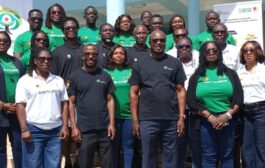
The engagement brought together the Ghana Health Service, journalists, the African Media and Malaria Research Network (AMMREN), African Leaders Malaria Alliance, Hope for Future Generations, WAPCAS, L’Initiative through Expertise France and other collaborating institutions.
Source: Mybrytfmonline.com