

Stakeholders in the Eastern Region have called for greater involvement of communities and young people in Ghana’s national security strategy as the country moves to address emerging and evolving security threats.
The call was made during a regional stakeholder engagement organised as part of the ongoing review of Ghana’s National Security Strategy.
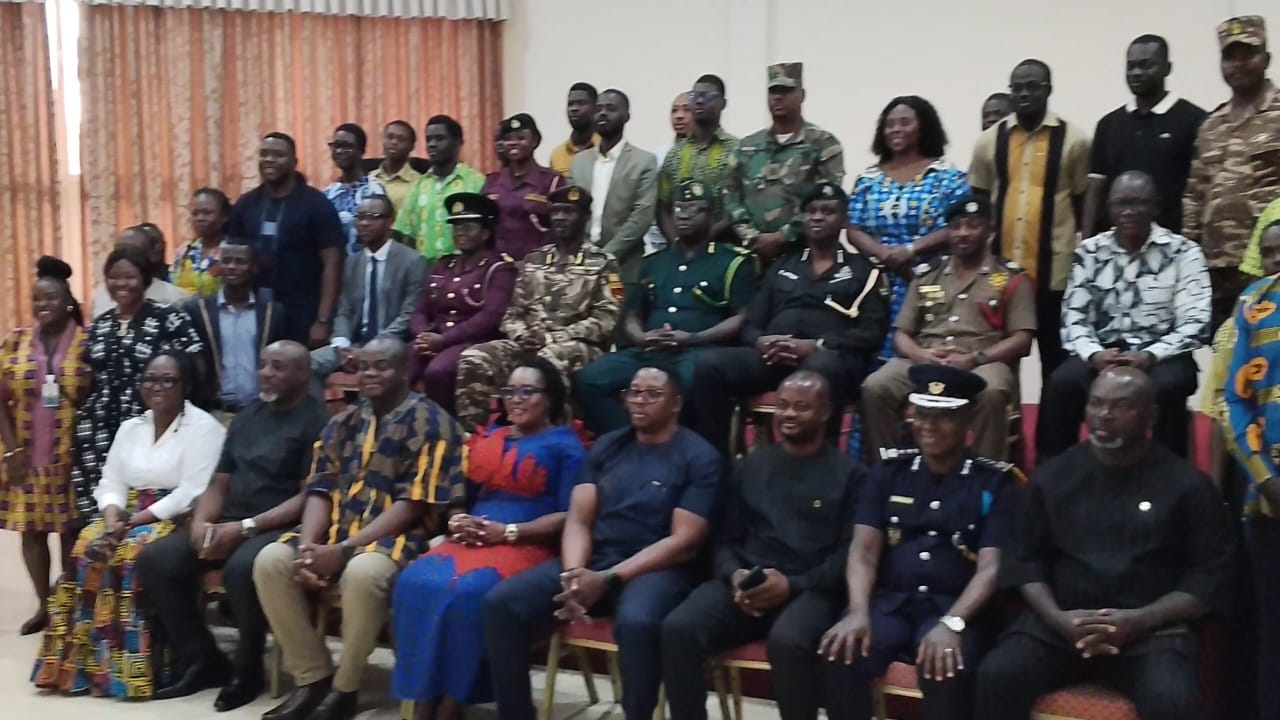
The engagement brought together stakeholders to share their experiences, concerns and recommendations aimed at strengthening the country’s national security framework and making it more responsive to emerging threats.
Speaking at the event, Hon. Rita Akosua Awatey, representing the Regional Security Council, commended the National Security Council Secretariat for creating the platform for stakeholders to contribute to the review process.
Hon. Awatey stressed that national security should not be considered the sole responsibility of the government and security agencies, but rather a shared responsibility that requires the active participation of citizens, communities and institutions.
According to her, the peace, stability and development of Ghana depend on the collective efforts of everyone.
She identified several security concerns, including cybercrime, cyber threats, illegal mining, migration, farmer-herder conflicts and violent extremism, warning that these challenges could undermine Ghana’s peace, security and development if not properly addressed.
She noted that security challenges differ from one region and community to another, making it important for the review of the National Security Strategy to take into account the experiences and specific challenges confronting people across the country.
A recent clash involving students of Okuapemman Senior High School and another school in the region was also cited as an example of a local security concern.
Hon. Awatey called for stronger measures to address incidents involving students and urged young people to play a more responsible role in maintaining peace and security.
The engagement also placed emphasis on the need to involve students and young people in national security discussions.
Hon. Awatey encouraged young people to recognise that schools, communities and the country belong to everyone and should therefore be treated with respect, discipline and responsibility.
Emerging Security Threats
The review of Ghana’s National Security Strategy comes at a time when the country is facing new and evolving security challenges.
Dr. Bako Mohammed, Technical/Intelligence Aide to the National Security Coordinator at the National Security Council Secretariat (NSCS), highlighted several emerging threats, including violent extremism, drug and human trafficking, cyberattacks and the spread of misinformation through social media.
Dr. Mohammed stressed that national security has a direct impact on the daily lives of Ghanaians.
He explained that effective security allows traders to conduct their businesses without fear, farmers to sleep peacefully and children to attend school safely.
According to him, Ghana’s security environment has changed significantly in recent years, with violent extremism becoming a growing concern in the region.
He also noted that Ghana’s porous borders could be exploited for illegal activities, including arms, drug and human trafficking.
Cyberattacks and misinformation were also identified as major emerging threats.
Dr. Mohammed noted that false information can spread rapidly through social media and undermine public trust in government institutions and other critical organisations.
Climate Change as a Security Concern
Climate change was also identified as an emerging security issue during the engagement.
Dr. Mohammed described climate change not only as an environmental challenge but also as a pressing security concern that requires urgent attention.
Despite the emerging challenges, he reassured participants that there was no immediate cause for panic, stressing that Ghana’s democratic institutions remain strong and that the country’s security services are capable, professional and committed to protecting the nation.
However, he emphasised that having capable security services alone is not sufficient.
He said the country also needs a clear strategic direction to guide its national security efforts and respond effectively to changing threats.
Stakeholders Urged to Contribute
The review is expected to examine Ghana’s strengths and weaknesses, identify key areas for improvement and address security challenges across the various regions.
Dr. Mohammed stressed the importance of avoiding a one-size-fits-all approach, noting that security challenges can vary significantly from one part of the country to another.
Stakeholders and members of the public were therefore encouraged to speak openly about security threats in their communities and propose practical solutions to address them.
Dr. Mohammed assured participants that appropriate procedures would be followed in evaluating the recommendations and implementing decisions arising from the review.
The ultimate objective is to develop a national security strategy that is inclusive, practical and responsive to Ghana’s changing security environment.
Participants expressed the hope that the knowledge, experiences and recommendations gathered through the engagement would contribute significantly to strengthening Ghana’s national security framework.
Concluding the session, Dr. Bako Mohammed thanked all participants for their contributions and noted that the recommendations from the exercise would help strengthen Ghana’s national security framework and contribute to building a safer and more stable country.
The overall goal of the review is to help create a Ghana where citizens can work, travel, study and live without fear.
Source:Mybrytfmonline.com/Temeng Akuffo Temeng