

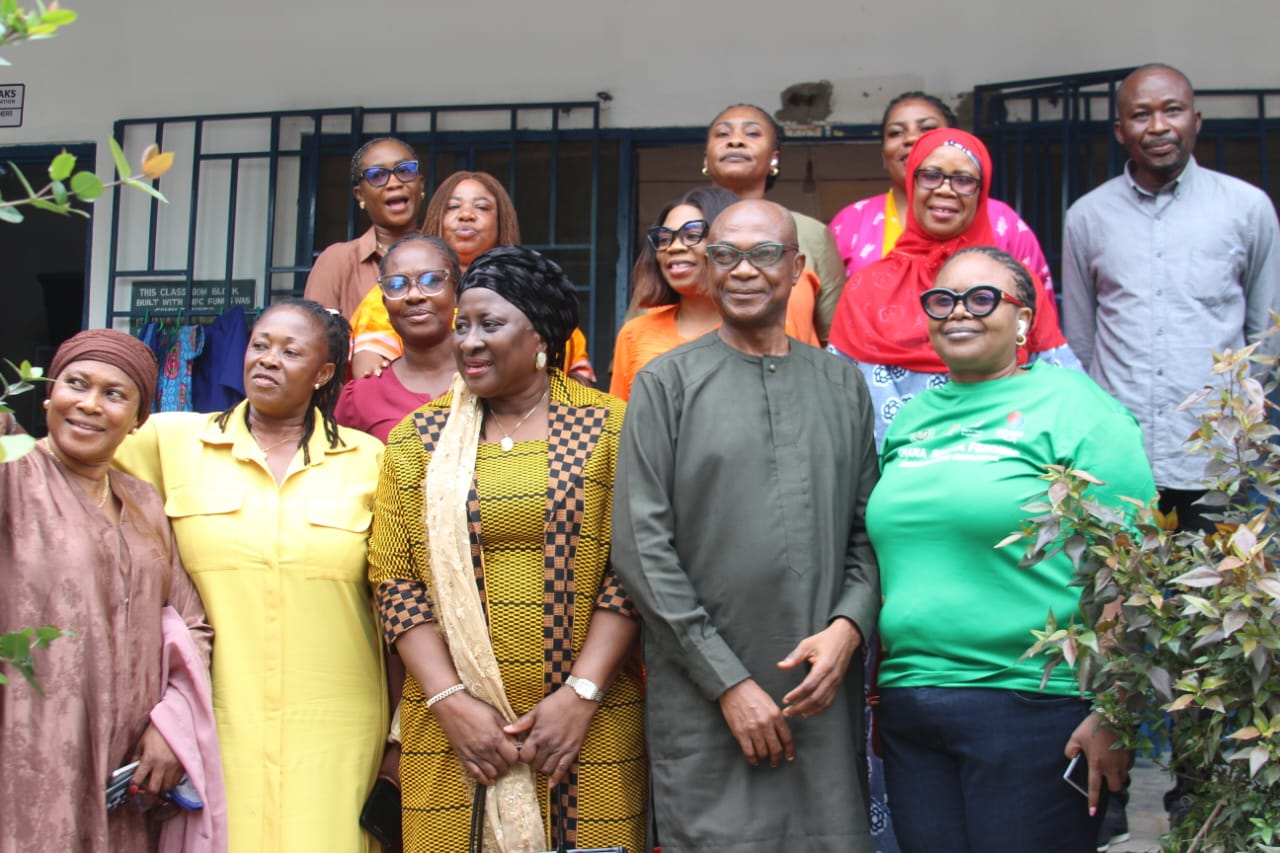
The National Coordinator of the Ghana School Feeding Programme (GSFP), Hajia Fati Forgor, has begun a working visit to the Eastern Region to assess the implementation of the School Feeding Programme and monitor ongoing nutrition training aimed at improving the quality of meals served to pupils.
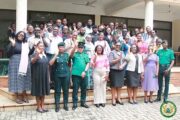
The two-day visit, which commenced on Thursday, July 16, included a courtesy call on the New Juaben South Municipal Education Directorate, followed by visits to Adweso SDA Basic School and Good Shepherd Anglican Basic School in the New Juaben South Municipality.
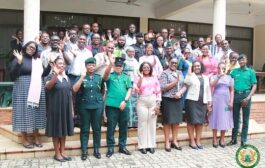
The visit forms part of the Secretariat’s nationwide monitoring exercise to evaluate the implementation of the programme while assessing the progress of nutrition training being conducted for programme officers and caterers on the preparation of healthy indigenous meals.
Addressing the media during the visit, Hajia Fati Forgor said the government is resetting the School Feeding Programme by prioritising nutritious local meals, timely payments to caterers and stronger monitoring systems.
She noted that President John Dramani Mahama’s administration remains committed to strengthening the programme as part of the broader national reset agenda.
“His Excellency John Dramani Mahama did not leave school feeding out in resetting the country. Today, you hardly hear caterers complaining of non-payments, considering the large numbers we are dealing with,” she said.
According to her, the ongoing nutrition training is equipping caterers with practical knowledge on preparing balanced meals using locally available food ingredients, while reducing reliance on heavily processed imported foods.
She explained that the initiative is being implemented in partnership with the World Bank and other development partners, who have developed nutrition manuals to guide caterers in preparing healthy and balanced meals for school children.
Hajia Forgor said officers currently undergoing the training would subsequently train caterers across the country to ensure uniform standards in meal preparation.
She also disclosed that government has increased the feeding grant from GH¢1.50 to GH¢2.00 per child per day, urging caterers to utilise the increment to improve the quality and nutritional value of meals served in schools.
While acknowledging occasional complaints over delayed payments, she attributed most of the challenges to documentation and administrative errors, stressing that the Secretariat is working to resolve such issues promptly.
On the possible expansion of the programme, Hajia Forgor indicated that discussions are ongoing at the ministerial level, adding that any nationwide expansion would require Cabinet approval due to the significant financial commitment involved.
She revealed that government currently spends about GH¢9 million daily, representing approximately GH¢1.9 billion annually, to provide meals for pupils under the School Feeding Programme.
The National Coordinator further announced that the Secretariat is introducing digital reforms to improve monitoring and accountability within the programme.
She said development partners have provided tablets to facilitate the transition from manual reporting to an electronic monitoring system, enabling real-time data collection and more effective supervision across the country.
Hajia Forgor expressed satisfaction with the quality of meals served during her visits to schools in the Eastern Region and commended caterers, teachers and school authorities for their dedication to providing nutritious meals to pupils.
Source:Mybrytfmonline.com